

- City govt essential for planned development of Chattogram: CCC administrator |
- Asian Stocks Slump After US Tech Rout Amid AI Jitters |
- Free Concert Featuring James and Seven Bands Set for Manik Mia Avenue |
- Garment factories reopen as workers return to work in Savar-Ashulia |
- Trump confirms new US strikes on Iran’s Qeshm island |
Two Brothers, One ’67 Chevy, and 15 Years of Monsters: Supernatural’s TV Legacy
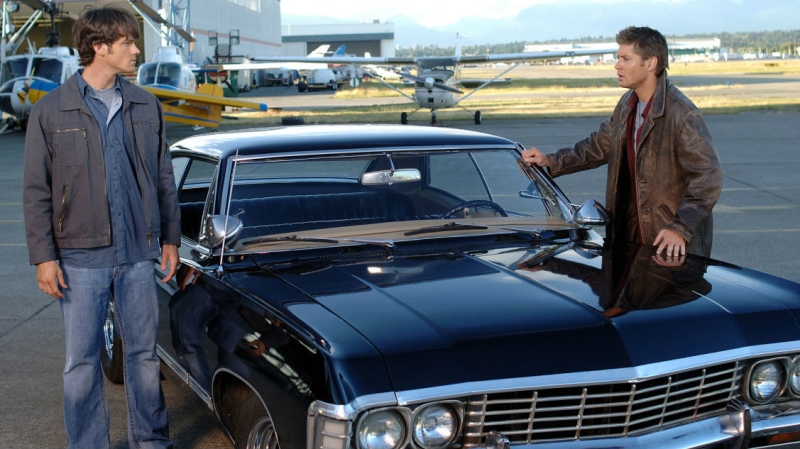
Image: Collected
Some shows give you a mystery to solve. Supernatural gave you a monster to hunt, a classic-rock song for the road, and two brothers who would cross hell itself for each other. When Sam and Dean Winchester first hit the road in 2005, their story looked like a weekly hunt for ghosts, demons, and other things that go bump in the night. It became something much bigger: a 15-season, 327-episode television phenomenon that helped make horror and fantasy feel at home on network TV.
A monster for every week—and a world behind it
The show’s early formula was simple and satisfying: the brothers rolled into a new town, investigated a local legend, and faced whatever was preying on people. But each case also added a piece to a larger story, gradually expanding the world around them with angels, demons, apocalyptic stakes, and a growing circle of allies and enemies. That mix of standalone episodes and ongoing storylines gave viewers both an easy entry point and a reason to keep coming back.
Just as importantly, Supernatural refused to stay in one lane. It could swing from horror to fantasy, action, comedy, and heartfelt family drama—sometimes within the same episode. Its playful use of pop-culture references and its willingness to poke fun at itself became part of its signature style.
How it changed the TV landscape
Supernatural helped show that audiences would stick with a show built around material once treated as niche: folklore, urban legends, horror, and mythology. Its long run demonstrated how a strange-sounding premise could support a broad, devoted audience when it paired imaginative world-building with characters people cared about.
It also offered a different model of television storytelling. The “monster of the week” episodes sat alongside season-spanning conflicts, letting the series build a sprawling mythology without abandoning the pleasures of a self-contained story. That balance helped make the show’s world feel expansive—and gave it room to experiment with unusual, funny, or unexpectedly emotional episodes.
The Winchesters’ relationship mattered as much as the monsters. Beneath the supernatural spectacle, the show kept returning to loyalty, grief, sacrifice, and the complicated bond between brothers. Its portrayal of masculinity made space for men who could be tough and vulnerable, protective and afraid—a dimension that later commentary has identified as part of its influence.
From broadcast show to fandom institution
The show also bridged two eras of television: it began before social media had fully reshaped fandom and ended after online communities had become central to how viewers gathered around shows. Fans turned scenes, jokes, characters, and running references into shared material online, while the series itself often played with its own fame and its relationship with viewers.
Streaming widened its reach, too. After Supernatural arrived on Netflix in 2011, the show found new viewers beyond its original broadcast audience; one report linked that wider exposure to a nearly 20 percent rise in the Season 8 premiere’s viewership.
The road goes on
No single show transformed television by itself, and Supernatural’s influence is best understood as part of a wider shift toward genre storytelling and highly engaged fandoms. But its 15-season run proved that horror, fantasy, humor, and heartfelt character drama could share the same ride—and that viewers might happily follow two brothers, their battered Impala, and an ever-expanding collection of monsters for years.
That is Supernatural’s lasting spell: not simply that it made the impossible feel real, but that it made the family at the center of the chaos feel worth coming home to.