

- City govt essential for planned development of Chattogram: CCC administrator |
- Asian Stocks Slump After US Tech Rout Amid AI Jitters |
- Free Concert Featuring James and Seven Bands Set for Manik Mia Avenue |
- Garment factories reopen as workers return to work in Savar-Ashulia |
- Trump confirms new US strikes on Iran’s Qeshm island |
Titumir calls for linking social security with economic growth
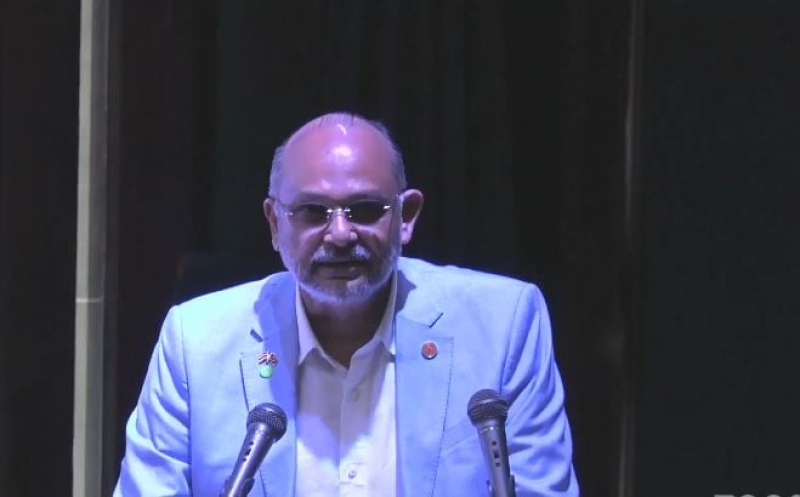
Image- Collected
Bangladesh’s experience in overseas employment, garment manufacturing and social protection could help link public welfare with economic growth, Prime Minister’s Finance and Planning Adviser Rashed Al Mahmud Titumir said.
Speaking at a regional conference in Bangkok on Thursday, he called for replacing fragmented safety-net programmes with a comprehensive social security system backed by productive investment, formal jobs and a broader tax base.
Titumir said weaknesses in existing welfare programmes have left some vulnerable people without assistance while allowing others who are ineligible to receive benefits. He cited estimates that the COVID-19 pandemic and shortcomings in social protection pushed an additional 7 million to 10 million people into poverty.
He highlighted the proposed Family Card initiative, which would provide direct digital assistance to women, and the Farmer Card scheme, designed to support farmers through cash incentives and agricultural services. Projections suggest the Family Card could reach 16.1 million people by 2030 and reduce the national poverty rate by five percentage points.
He identified overseas employment and the growth of the ready-made garment industry, which brought large numbers of women into formal work, as two major transformations in Bangladesh’s employment history.
Titumir also proposed international measures to help developing countries address financial and climate shocks, including concessional emergency financing, food and fertiliser shipment guarantees, debt-payment suspensions during crises, and greater access to climate funding.
The conference, organised by Chulalongkorn University and Oxfam in Asia, examined inequality, public services and social protection across the region. Its materials highlighted persistent gaps in welfare coverage, unequal income distribution and rising pressure on public spending from debt.