

- City govt essential for planned development of Chattogram: CCC administrator |
- Asian Stocks Slump After US Tech Rout Amid AI Jitters |
- Free Concert Featuring James and Seven Bands Set for Manik Mia Avenue |
- Garment factories reopen as workers return to work in Savar-Ashulia |
- Trump confirms new US strikes on Iran’s Qeshm island |
Slow Motion, Big Emotion: The Beautiful Contradiction of Zack Snyder
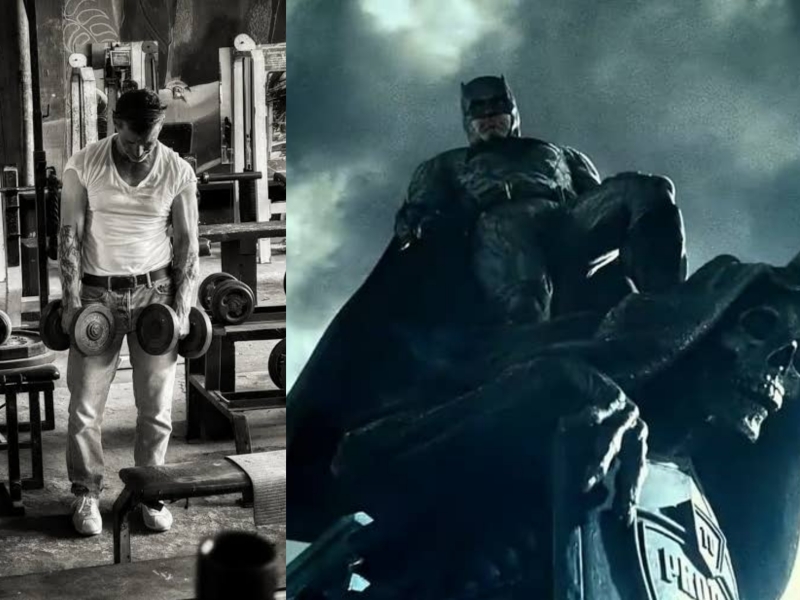
Image: Collected
Zack Snyder is one of modern cinema’s most unmistakable directors: a filmmaker whose action scenes can feel like moving paintings, even when the stories around them struggle to earn their operatic weight. His best work turns comic-book spectacle into myth; his weakest moments can make that spectacle feel like a substitute for momentum.
A Director Built for Impact
Snyder’s great strength is not subtle character work or economical plotting—it is visual impact. From 300 to Watchmen to Man of Steel, he has a gift for composing violence as grand, stylized imagery: bodies suspended mid-air, rain-slicked streets, godlike figures colliding against stormy skies. 300, in particular, helped popularize the speed-ramped, slow-motion action style that became inseparable from his name.
That instinct makes him unusually effective at translating comic books to film. Snyder understands panels, silhouettes, scale, and iconography; he often treats a superhero not merely as a character, but as an image of power, fear, or divinity. Critics have frequently noted that his films are “visually striking,” even when their narratives divide audiences.
The Case Against the Slow-Mo
The problem is that Snyder’s signature technique can become a rhythm problem. Slow motion is powerful when it isolates a decisive moment—a blow landing, a choice being made, a hero realizing the cost of power. But when nearly every action beat receives the same heightened treatment, the technique can stop feeling like emphasis and start feeling like delay.
His films often ask viewers to admire the shape of violence rather than simply feel its speed. That can be thrilling in short bursts, especially in 300 or the warehouse fight in Batman v Superman. Yet across a long movie, repeated slow-motion tableaux can drain urgency from scenes that should be propulsive. Critics have long described this tension as “style over substance,” a phrase that is reductive but captures a real criticism: the imagery sometimes arrives before the emotional or narrative foundation that would make it land.
Storytelling: Ambitious, Not Always Clear
It would be unfair to call Snyder incapable of storytelling. Watchmen is a genuinely ambitious adaptation of a dense graphic novel, and Zack Snyder’s Justice League clearly reflects a filmmaker trying to build a larger mythic structure around its characters. But his narratives often favor theme, symbolism, and spectacle over clarity, pacing, and character development.
His heroes tend to be defined less by dialogue than by posture, imagery, and moral symbolism. That approach can create awe—Superman as a reluctant god, Batman as a broken idealist, Spartans as living monuments—but it can also leave motivations feeling asserted rather than fully explored. Even sympathetic readings of his work acknowledge that his films can be overstuffed, solemn, and resistant to lightness.
The Nuanced Verdict
Snyder is neither a hack nor an misunderstood genius; he is a highly specialized filmmaker whose strengths and limitations come from the same place. He directs action with an almost religious sense of grandeur, but that same seriousness can make his stories feel heavier than they need to be.
At his best, he gives audiences images they remember long after the plot fades. At his worst, he gives them beautiful moments in search of a tighter story. The fair conclusion is simple: Zack Snyder may not always be cinema’s most nimble storyteller, but as a director of large-scale action, he remains one of the most visually distinctive working today.