

- Oil Shock Sends Asian Markets Lower as Middle East Conflict Threatens Global Shipping |
- Trump Links Iran War to US Midterms, Backs United Ireland |
- PM Tarique Rahman Seeks Public Cooperation to Tackle Nationwide Dengue Outbreak |
- Jatiyatabadi Mahila Dal Vows to Lead Fight Against Rape, Violence Against Women and Children |
- 'Honorable' Dropped: PM Starts Implementing Decision from His Own Office |
Govt plans third-phase solar project to expand electricity access in hill districts
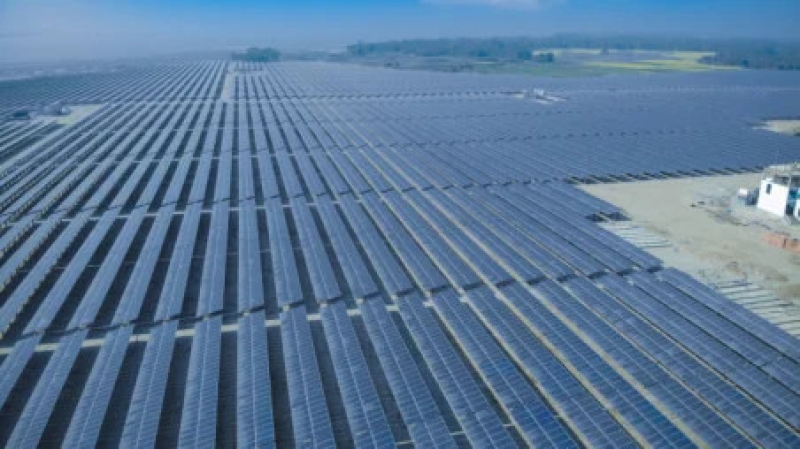
Image- Collected
The government is planning to launch a third-phase solar power project to achieve full electrification in the remote hill districts of Rangamati, Bandarban and Khagrachhari.
The Ministry of Chittagong Hill Tracts Affairs has proposed implementing the five-year project from 2026 to 2031 to provide electricity to remote areas where extending the national grid is difficult and costly.
Officials said unreliable electricity continues to affect education, agriculture and socio-economic development in the hill districts, making off-grid solar power the most practical and sustainable option.
The proposal was discussed at this year's Deputy Commissioners' Conference following a recommendation from the Rangamati deputy commissioner to ensure uninterrupted electricity and full electrification in the hill districts. The Cabinet Division later sought opinions from relevant ministries to assess the project's feasibility.
Ministry Secretary Mohammad Mizanur Rahman said the project has been included in the Annual Development Programme (ADP) as an unapproved "Green Leaf" project. If approved through a Development Project Proposal (DPP), implementation is expected to begin in 2026 and continue until 2031.
Officials said both the Ministry of Chittagong Hill Tracts Affairs and the Ministry of Power, Energy and Mineral Resources have submitted separate proposals to the Planning Commission to expand electricity coverage in the region.
According to the latest Implementation Monitoring and Evaluation Division (IMED) report, the second phase of the solar electrification project has already been completed. However, many remote settlements still remain without electricity due to the region's rugged terrain, dense forests and poor transport infrastructure, making off-grid solar photovoltaic systems the most effective solution.
The second-phase project was implemented between July 2020 and June 2023 at an estimated cost of Tk217.71 crore. Field assessments found that the project improved the quality of life of beneficiary households by providing access to lighting and mobile phone charging facilities.