

- City govt essential for planned development of Chattogram: CCC administrator |
- Asian Stocks Slump After US Tech Rout Amid AI Jitters |
- Free Concert Featuring James and Seven Bands Set for Manik Mia Avenue |
- Garment factories reopen as workers return to work in Savar-Ashulia |
- Trump confirms new US strikes on Iran’s Qeshm island |
Cursed Lineage: How Jujutsu Kaisen Inherited the Best of Bleach and Naruto
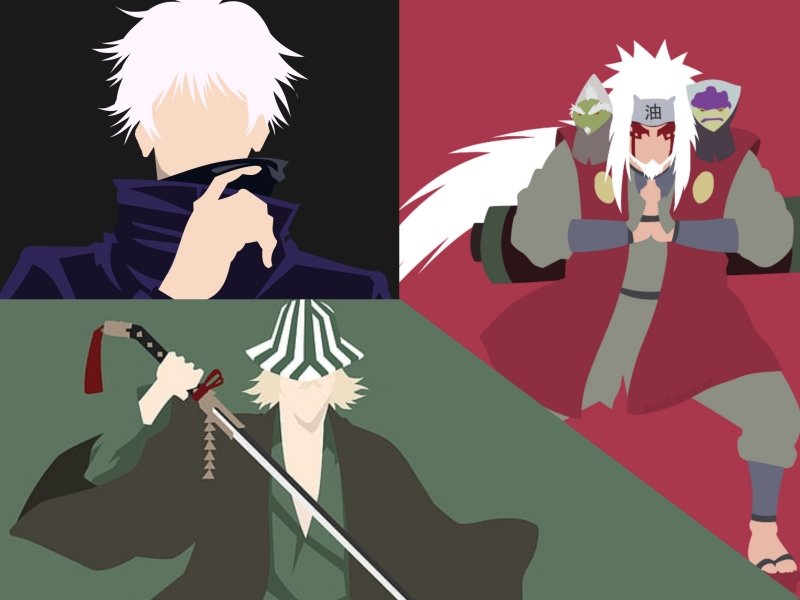
Image: Collected
Jujutsu Kaisen may feel like a fresh nightmare of curses, sorcery, and moral ruin, but its DNA is unmistakably shonen. Creator Gege Akutami has openly credited Tite Kubo’s Bleach and Masashi Kishimoto’s Naruto as major creative touchstones—then reshaped their familiar formulas into something darker and more modern.
From Ichigo to Itadori
The clearest debt is to Bleach. Akutami has said that Ichigo Kurosaki’s decision to become a Soul Reaper “of his own will” after an unexpected incident shaped Yuji Itadori’s choice to swallow Sukuna’s cursed finger.
That distinction matters. Yuji is not merely a boy who accidentally becomes powerful; he actively accepts the burden, even when the consequences are horrific. It is the same call-to-action structure that made Bleach compelling, filtered through Jujutsu Kaisen’s bleaker view of heroism.
Akutami’s connection to Kubo’s series is also personal: he has described encountering Bleach as a child as the moment he first understood what a manga artist could do.
The Beast Within
From Naruto, Akutami borrowed a foundational dynamic: a protagonist carrying a monstrous, ancient power inside him. Naruto Uzumaki and the Nine-Tailed Fox directly informed the relationships between Yuji and Ryomen Sukuna, as well as Yuta Okkotsu and Rika Orimoto.
But Jujutsu Kaisen deliberately refuses Naruto’s eventual reconciliation. Where Naruto and Kurama ultimately find understanding, Akutami made Sukuna fundamentally incompatible with Yuji—less a misunderstood spirit than a parasitic king whose cruelty defines the series’ central conflict.
Familiar Shadows, New Teeth
The influence extends beyond plot mechanics. The central trio of Yuji, Megumi Fushiguro, and Nobara Kugisaki echoes the classic Naruto team structure, while Yuji and Megumi have been linked to Naruto and Sasuke’s contrasting personalities.
Even the series’ visual and combat sensibility carries Bleach’s imprint: sharp character designs, stylish supernatural battles, and a protagonist propelled by instinct as much as ideology. Aoi Todo, for instance, has been widely connected to Bleach’s Kenpachi Zaraki.
Why It Works
What makes Jujutsu Kaisen more than homage is its willingness to interrogate the traditions it inherits. Bleach gives it a heroic framework; Naruto gives it the “monster within”; Akutami then strips away easy redemption and asks what remains when power comes with no moral guarantee.
The result is not imitation but inheritance. Jujutsu Kaisen stands on the shoulders of two shonen giants—and uses that vantage point to look somewhere colder, stranger, and more unsettling.