

- Actress Samira Khan Mahi Crowned 'Miss Universe Bangladesh 2026' |
- We must work together to resist anti-national conspiracies |
- Duchess of Edinburgh Princess Sophie to Arrive in Bangladesh Tomorrow |
- Bangladesh Bank Begins Selection Process for Young Entrepreneurs Today |
- Messi Wins Second MLS Golden Boot as Nashville Sets Points Record |
Why X-Men: Days of Future Past Is the Crown Jewel of Fox’s Mutant Saga
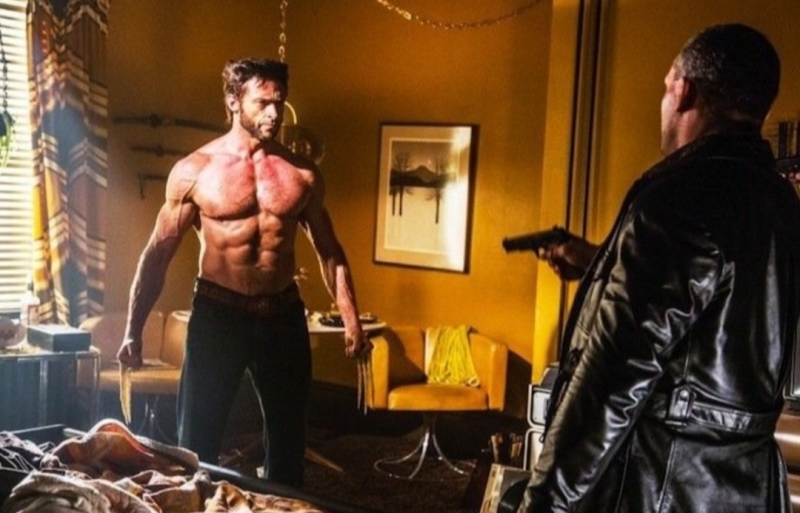
Image: Collected
Let’s cut to the chase: in a franchise that swung wildly from campy misfires to gritty masterpieces, X-Men: Days of Future Past (2014) stands tall as the ultimate Fox X-Men experience. It’s the movie that fixed the timeline, fused two generations of mutants, and delivered a time-travel thriller that actually made sense—most of the time.
What sets Days of Future Past apart is its sheer ambition. While other entries played it safe with origin stories or solo Wolverine adventures, this film went full chessboard: dystopian futures, Sentinel apocalypse, and a race against time anchored by Hugh Jackman’s Logan and James McAvoy’s young Charles Xavier. It didn’t just bring back Patrick Stewart, Ian McKellen, and the original crew—it gave them purpose, weaving their legacy into a fresh narrative without erasing what came before.
Critics and fans alike hailed it as a franchise miracle. With a 90% Tomatometer and near-universal praise for its pacing, emotional stakes, and spectacle, it became the highest-grossing X-Men film of its era (until Deadpool crashed the party). More importantly, it felt like an X-Men movie should: big ideas, moral dilemmas, and mutants using their powers in clever, cinematic ways—hello, Quicksilver’s Pentagon kitchen scene.
Compared to its siblings, Days of Future Past avoids the pitfalls that plagued others. No convoluted villain origins (Looking at you, Origins: Wolverine), no rushed third acts (Ahem, The Last Stand), and no tonal whiplash (We see you, Dark Phoenix). Even Logan, often crowned the best for its raw intimacy, doesn’t match DOFP’s scale or its ability to course-correct an entire universe. It’s the rare sequel that respects the past while boldly rewriting the future—literally.
And let’s talk style. Bryan Singer returned to the director’s chair with a visual flair that balanced grim futures and vibrant 1973 set pieces. The Sentinel designs? Terrifying. The costumes? Iconic. The score? A perfect blend of John Ottman’s thunderous themes and nostalgic callbacks. This wasn’t just another superhero flick—it was a love letter to X-Men fans who’d waited over a decade for a movie that truly captured the spirit of the comics.
So yes, Logan might break your heart, and First Class might charm you with its Cold War swagger—but Days of Future Past is the complete package. It’s the Fox X-Men movie that dared to go big, stick the landing, and leave the franchise better than it found it. In a saga full of “what ifs,” this one got almost everything right.