

- City govt essential for planned development of Chattogram: CCC administrator |
- Asian Stocks Slump After US Tech Rout Amid AI Jitters |
- Free Concert Featuring James and Seven Bands Set for Manik Mia Avenue |
- Garment factories reopen as workers return to work in Savar-Ashulia |
- Trump confirms new US strikes on Iran’s Qeshm island |
Patrick Bateman: The Perfect Suit Hiding a Monstrous Soul
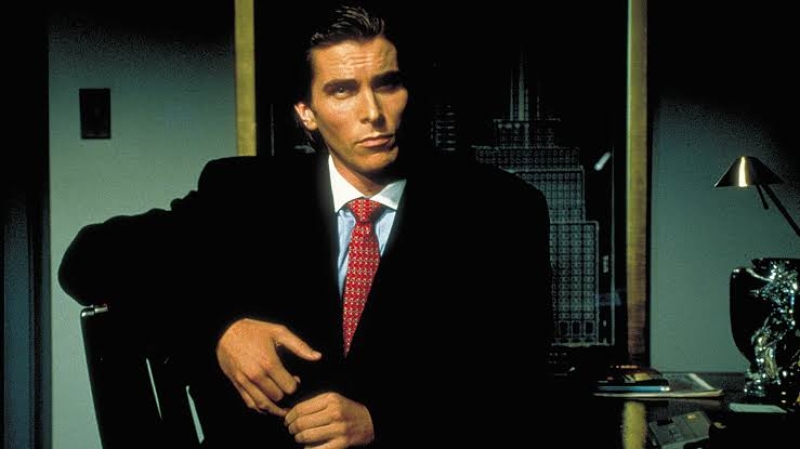
Image: Collected
Patrick Bateman is one of modern cinema’s most unforgettable villains—not because he looks like a monster, but because he looks completely ordinary. Dressed in expensive suits, obsessed with fitness, and employed on Wall Street, Bateman represents a terrifying combination of wealth, privilege, vanity, and emotional emptiness.
Played by Christian Bale in American Psycho, Bateman lives in a world where appearance matters more than morality. His carefully styled hair, flawless body, designer wardrobe, and luxurious apartment create the image of a successful young professional. Yet behind this polished exterior lies a deeply disturbed personality consumed by violence, narcissism, and an obsessive need for control.
A Man Built from Appearances
Patrick Bateman’s identity is largely constructed through consumer culture. He judges himself and others by clothing brands, business cards, restaurants, apartments, and social status. His famous business-card scene reveals how absurdly competitive his world has become. The men around him appear successful, but they are so similar that they can barely recognize one another.
This confusion is central to Bateman’s character. He is surrounded by people who look, speak, and behave almost exactly like him. Their individuality has been replaced by wealth, ambition, and consumption. Bateman is not simply a violent man living in a corrupt society; he is also a product of that society’s obsession with image.
Violence as Performance
Bateman’s violence is shocking, but it is also theatrical. He does not merely commit crimes—he performs them. His actions often seem designed to demonstrate power over others, particularly people he considers socially inferior. Violence becomes another form of status and control.
At the same time, the film deliberately creates uncertainty about whether every crime actually happened. Some scenes appear horrifyingly real, while others feel exaggerated, dreamlike, or impossible. This ambiguity forces the audience to question Bateman’s mind and the society around him. Perhaps the murders are fantasies. Perhaps they are real. More disturbingly, perhaps nobody cares enough to notice.
The Horror of Indifference
One of the most disturbing aspects of Patrick Bateman’s world is not only his brutality but the indifference of everyone around him. His colleagues ignore his emotional instability, confuse his identity with other businessmen, and fail to take his words seriously. Even when Bateman attempts to confess, his confession disappears into the noise of restaurants, business meetings, and casual conversation.
This indifference suggests that Bateman’s society is already morally diseased. The people around him may not murder anyone, but they participate in a culture that rewards exploitation, cruelty, and superficial success. Bateman is therefore both an individual monster and a symbol of a larger social problem.
Masculinity and the Need for Control
Bateman’s obsession with his body also reflects a distorted form of masculinity. He trains relentlessly, follows strict grooming routines, and treats physical appearance as proof of superiority. His body is not simply healthy; it is a carefully maintained object meant to intimidate and impress others.
Yet beneath this confidence is profound insecurity. Bateman constantly compares himself with other men and fears being outperformed or ignored. His violence can be interpreted as an attempt to compensate for his lack of emotional identity. He wants to feel powerful because he feels empty.
A Face Without an Identity
The most memorable line associated with Bateman is his admission that there is “an idea of a Patrick Bateman,” but no real person behind it. This statement captures the tragedy of his character. Bateman has a name, a job, a body, and a social position, but he lacks a stable sense of self.
He is made from surfaces: expensive clothes, corporate language, gym routines, luxury products, and rehearsed expressions. When those surfaces are removed, there may be nothing left. Bateman is terrifying because his identity has been replaced by a brand.
Why Patrick Bateman Still Matters
Patrick Bateman remains culturally relevant because he represents more than one fictional killer. He embodies the dangers of confusing success with worth, beauty with goodness, and confidence with identity. His image has also been widely used online as a symbol of discipline, ambition, and male self-improvement—often without acknowledging the character’s satire and moral emptiness.
That misinterpretation is revealing. Many viewers admire Bateman’s appearance while ignoring the critique behind it. In doing so, they repeat the very mistake the character represents: judging a person by the surface.
Patrick Bateman is not frightening because he hides behind an ordinary face. He is frightening because his world rewards people for wearing the right face—and rarely asks what exists underneath.