

- Arson Attempt Foiled as Staff Quench Fire on Mirpur Bus |
- Personalized mRNA Melanoma Vaccine Intismeran Hits Major Milestone, Cutting Recurrence Risk by 42% in Landmark Phase 3 Trial |
- City govt essential for planned development of Chattogram: CCC administrator |
- Asian Stocks Slump After US Tech Rout Amid AI Jitters |
- Free Concert Featuring James and Seven Bands Set for Manik Mia Avenue |
12kg LPG Cylinder Price Crosses Tk 2,000 Amid Severe Supply Shortage
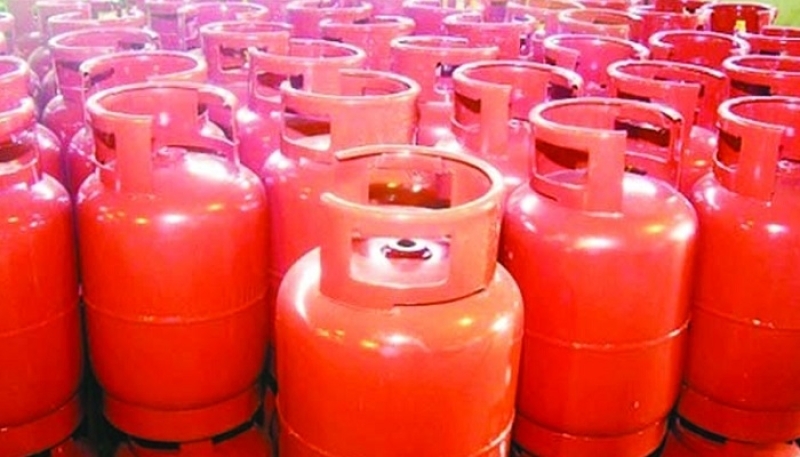
Image: Collected
A severe shortage of Liquefied Petroleum Gas (LPG) has hit the domestic market, driven by a 25% drop in monthly imports that created a significant supply deficit.
Taking advantage of the shortage, retailers are selling 12kg LPG cylinders at Tk 400 to Tk 500 above the rate set by the Bangladesh Energy Regulatory Commission (BERC). Consequently, retail prices have crossed Tk 2,000, putting financial pressure on general consumers.
Although BERC set the price of a 12kg LPG cylinder at Tk 1,585, consumers are currently forced to buy them for Tk 2,000 to Tk 2,100.
According to BERC and LPG importer sources, Bangladesh imported around 160,000 tonnes of LPG in August. However, imports dropped to nearly 120,000 tonnes in September—a reduction of roughly 40,000 tonnes in a single month.
This comes despite BERC reducing the price of a 12kg cylinder by Tk 13 to Tk 1,585 on September 2.
Traders attribute the crisis to ongoing conflicts in the Middle East, which have disrupted crucial shipping lanes like the Red Sea and the Strait of Hormuz. This has led to global vessel shortages and soaring freight costs. Because the Middle East is Bangladesh’s primary source for LPG, the market was directly impacted, and rerouting via alternative routes has increased both delivery times and costs.
Abu Sayeed Reza, Chief Marketing Officer of Meghna Fresh LPG Limited, noted that securing cargo vessels is currently the biggest hurdle. Despite long-term contracts, several international suppliers have cut supplies by roughly 20%, making spot market procurement difficult even with higher premiums.
Importers claim that BERC's monthly price adjustments fail to fully account for the rising cargo premiums and freight charges. According to the LPG Operators Association of Bangladesh (LOAB), international cargo premiums have jumped from $160 per tonne to between $260 and $400. Operators argue it is difficult to cover these expenses at the fixed rates, leading some companies to limit imports to avoid losses.
Tanjeem Chowdhury, CEO of Omera Petroleum Limited, stated that their firm imported around 30,000 tonnes in September and is doing its utmost to manage the situation despite global supply disruptions.
Bangladesh has an annual LPG demand of 1.5 to 1.6 million tonnes, with roughly 80% used for household cooking. The private sector supplies nearly 99% of this total demand.
Addressing the issue, BERC Chairman Jalal Ahmed attributed September's shortage to delays in scheduled ship arrivals for certain companies. He stated that an urgent meeting with importers will be held to resolve the crisis. However, he warned that if global maritime issues persist and necessary cargo supplies are not secured, the LPG crisis may continue into October.