

- Arson Attempt Foiled as Staff Quench Fire on Mirpur Bus |
- Personalized mRNA Melanoma Vaccine Intismeran Hits Major Milestone, Cutting Recurrence Risk by 42% in Landmark Phase 3 Trial |
- City govt essential for planned development of Chattogram: CCC administrator |
- Asian Stocks Slump After US Tech Rout Amid AI Jitters |
- Free Concert Featuring James and Seven Bands Set for Manik Mia Avenue |
Sheikh Hasina’s Birthday Celebrated in Sydney Amid Political Crisis: Awami League Leaders Vow Unity
Supporters pledge to bridge internal divides as local diaspora debate her legacy
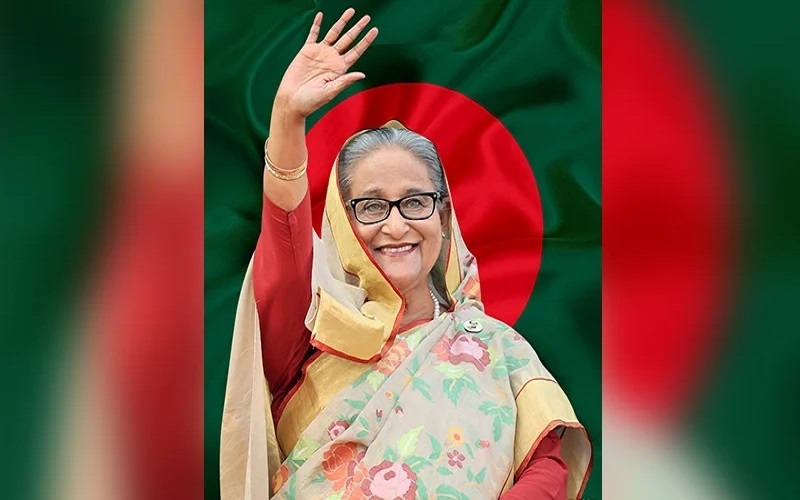
Image: Collected
Despite dramatic shifts in Bangladesh’s domestic political landscape, the reverberations continue to echo across diaspora communities abroad. On September 28, expatriate supporters and leaders of the Bangladesh Awami League gathered in Sydney to mark the birthday of former Prime Minister and party chief Sheikh Hasina.
This year’s observance carried a markedly different tone compared to previous years. Organized against the backdrop of an ongoing political crisis at home, the event featured a discussion assembly and special prayers, with leaders issuing an urgent call to set aside internal friction and present a united front.
Call for Unity in Sydney: "Time to Overcome Differences"
Speakers at the event, organized by the Australia Awami League, stressed that unity among diaspora members is critical to navigating the severe legal and political pressures currently facing party leaders and activists in Bangladesh.
Local leaders acknowledged past internal misunderstandings and factional disputes, emphasizing that current circumstances demand absolute solidarity. Attendees reaffirmed their unwavering trust in Sheikh Hasina, highlighting her 15-year tenure marked by infrastructure development and economic growth. They also condemned the recent influx of cases filed against top party leaders in Bangladesh as "politically motivated," pledging to counter them both legally and politically from abroad.
Mixed Reactions Among Expatriates: Development vs. Governance
Opinions among the broader Bangladeshi diaspora in Sydney remain sharply divided regarding Sheikh Hasina’s legacy.
Awami League supporters argue that her vision was essential for safeguarding the spirit of the 1971 Liberation War and driving economic modernization. They point to flagship mega-projects—such as the Padma Bridge, the Dhaka Metro Rail, and the Rooppur Nuclear Power Plant—alongside the prosecution of war criminals, as achievements that elevated Bangladesh’s global standing.
Conversely, critics and independent diaspora members argue that massive corruption within these mega-projects, instability in the banking sector, capital flight, and soaring inflation severely damaged the national economy. They contend that the weakening of democratic institutions and constraints on free speech destabilized the political environment, culminating in the mass uprising of 2024.
The Road Ahead for Diaspora Politics
Political analysts note that despite the physical distance, non-resident Bangladeshis remain deeply attuned to the nation's political trajectory. The effort by Awami League supporters in Sydney to regroup is largely viewed as a strategy for organizational survival and an attempt to rally international opinion.
However, observers emphasize that Bangladesh’s ultimate political trajectory will depend on the reform agenda of the current interim government and the setup of future elections. Expatriates express a shared hope for a restored democratic framework that ensures political co-existence and gets the national economy back on track.
The event concluded with special prayers offered for Sheikh Hasina’s health and longevity.