

- Oil Shock Sends Asian Markets Lower as Middle East Conflict Threatens Global Shipping |
- Trump Links Iran War to US Midterms, Backs United Ireland |
- PM Tarique Rahman Seeks Public Cooperation to Tackle Nationwide Dengue Outbreak |
- Jatiyatabadi Mahila Dal Vows to Lead Fight Against Rape, Violence Against Women and Children |
- 'Honorable' Dropped: PM Starts Implementing Decision from His Own Office |
Why We Can’t Stop Loving Ryan Gosling
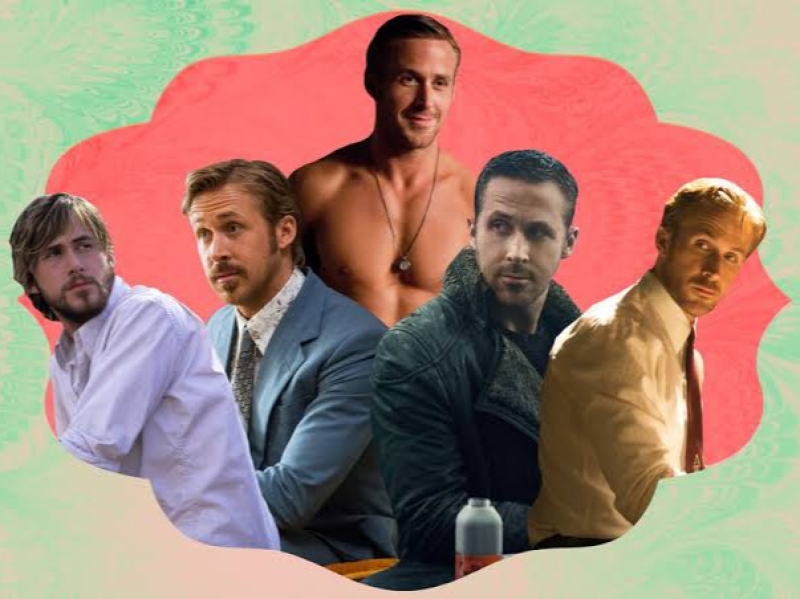
Image: Collected
Ryan Gosling has become one of the most beloved figures in contemporary cinema—not just for his looks, but for the rare combination of emotional depth, artistic risk-taking, and understated charisma he brings to every role.
The “Literally Me” Phenomenon: A defining feature of Gosling’s appeal in recent years is the “Literally me” meme, which captures how many viewers—especially young men—see themselves in his characters. He often plays quiet, introspective, emotionally contained men who are nonetheless deeply feeling: the stoic driver in Drive, the melancholic K in Blade Runner 2049, and even the surprisingly vulnerable Ken in Barbie. These roles resonate with audiences navigating loneliness, alienation, and the struggle to express vulnerability in a world that often discourages it.
As one fan put it: “He can’t perform a character that is completely stranger to his personality… that makes him more valuable, more interesting.” That sense of authenticity—of a performer who channels parts of himself into each role—fuels a deeper emotional connection.
Gosling’s career is a masterclass in versatility. He transitioned seamlessly from teen idol on The Mickey Mouse Club to romantic lead in The Notebook, then to indie darling in Half Nelson (earning an Oscar nomination), and later to action-thriller icon in Drive. He’s equally convincing in musicals (La La Land), sci-fi epics (Blade Runner 2049), and comedic turns (The Nice Guys, Barbie).
This chameleonic ability keeps audiences intrigued: you never quite know what Gosling will do next, but you trust he’ll commit fully.
Unlike many Hollywood stars who dominate interviews and social media, Gosling maintains a low-key, almost enigmatic public persona. He’s known for being thoughtful in interviews, self-deprecating in humor, and fiercely protective of his private life—especially regarding his family with Eva Mendes. In an era of oversharing, his restraint feels refreshing, even noble.
He also subverts traditional masculinity without rejecting it. He can be tender (The Notebook), violent (Drive), absurd (Barbie), or quietly heroic (The Fall Guy)—often within the same performance. This fluidity makes him relatable across gender lines and generations.
Gosling’s enduring popularity isn’t accidental. He’s managed to stay relevant by carefully selecting roles that reflect shifting cultural moods—from post-9/11 disillusionment (Half Nelson) to post-pandemic isolation (Drive’s resurgence as a “sigma male” icon). His portrayal of Ken in Barbie tapped into contemporary conversations about masculinity, identity, and performative gender roles—earning him both critical praise and a new wave of fans.