

- Oil Shock Sends Asian Markets Lower as Middle East Conflict Threatens Global Shipping |
- Trump Links Iran War to US Midterms, Backs United Ireland |
- PM Tarique Rahman Seeks Public Cooperation to Tackle Nationwide Dengue Outbreak |
- Jatiyatabadi Mahila Dal Vows to Lead Fight Against Rape, Violence Against Women and Children |
- 'Honorable' Dropped: PM Starts Implementing Decision from His Own Office |
Pregnancy may trigger hidden eating disorders, specialists say
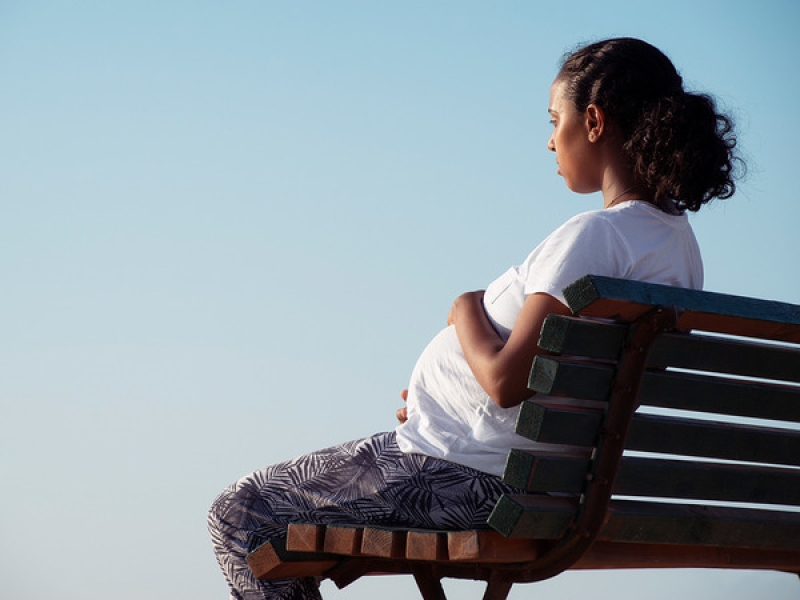
Image- Collected
Pregnancy can trigger new or recurring eating disorders that often go undetected, posing health risks for both mothers and babies, according to health experts.
Experts say the physical, hormonal and emotional changes during pregnancy can lead to eating disorder symptoms or relapses, particularly among women with a history of conditions such as anorexia nervosa. Research suggests about one in 20 pregnant women experience an eating disorder during pregnancy.
Professor Gemma Sharp of the University of Adelaide said pregnancy can be a particularly challenging period but may also provide an opportunity for recovery with appropriate support.
Health experts said eating disorders are frequently overlooked because pregnancy symptoms can mask warning signs, while many women avoid seeking help due to stigma or fear of judgment.
The condition can increase the risk of pregnancy complications, low birth weight, premature birth and developmental problems for babies. Experts also warned that poor maternal nutrition may have long-term health effects on children.
They added that eating disorders may continue after childbirth, with around 13 percent of women affected during the postpartum period due to hormonal changes, sleep deprivation and pressure to regain pre-pregnancy body shape.
Experts called for improved screening, greater awareness and coordinated care involving doctors, dietitians and mental health professionals to better support pregnant and postpartum women experiencing eating disorders.