

- City govt essential for planned development of Chattogram: CCC administrator |
- Asian Stocks Slump After US Tech Rout Amid AI Jitters |
- Free Concert Featuring James and Seven Bands Set for Manik Mia Avenue |
- Garment factories reopen as workers return to work in Savar-Ashulia |
- Trump confirms new US strikes on Iran’s Qeshm island |
Houthi Barrage Targets Saudi Oil Hub as Oil Slips From Five-Month High
Yemen’s Houthi rebels have intensified attacks on Saudi Arabia, striking the capital and targeting the Red Sea export hub of Yanbu, even as oil prices retreated from a five-month high amid signs that regional energy flows remain largely intact.
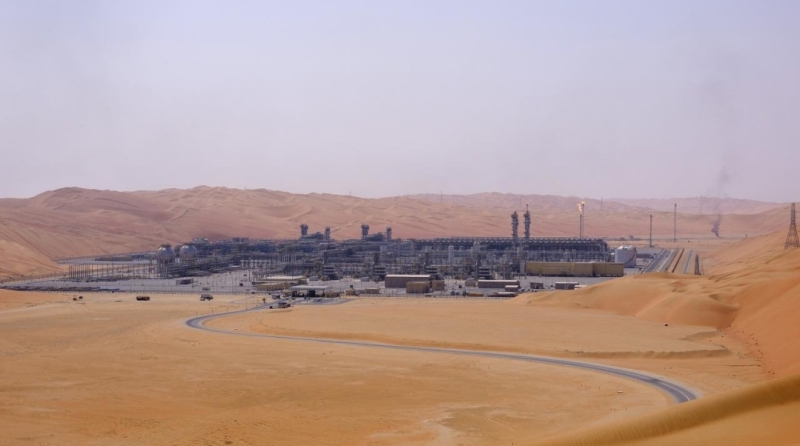
Image: Collected
Weekend of strikes
Saudi-led coalition forces said they intercepted drones over Riyadh and destroyed ballistic and cruise missiles aimed at Yanbu and the southern border area of Khamis Mushait over the weekend. The coalition said the attacks were launched by the Iran-backed Houthis.
A Saudi AH-6i reconnaissance helicopter crashed near the Yemeni border, killing two crew members. Riyadh attributed the crash to a technical fault, while the Houthis claimed they shot it down.
The violence has repeatedly reached Riyadh’s King Khalid International Airport. Saudi authorities say the Houthis have attacked the airport 20 times since the start of October, killing 17 people and injuring more than 300; the Houthis have claimed responsibility for ballistic-missile attacks on the facility.
Oil market reaction
Brent crude had surged almost 4 percent on Friday, briefly reaching $110 a barrel and closing at its highest level since May 19. But on Monday it slipped below $109, trading near $108, as investors took profits and assessed the balance between geopolitical risk and supply resilience.
Yanbu is strategically important because it serves as a Red Sea outlet for Saudi oil exports that bypass the Strait of Hormuz. The Houthis’ targeting of the port has raised fears of a broader disruption to global energy shipments.
Still, US Energy Secretary Chris Wright said Persian Gulf oil flows had recovered to about 80 percent of their pre-conflict level, although shipments of refined products remain constrained. That helped calm markets despite the continuing attacks.
No end in sight
The Houthis say their campaign is retaliation for Saudi air strikes and the blockade of territory under their control. A Houthi spokesman has vowed to continue “escalating operations deep inside Saudi” until the Saudi-led campaign ends.
The conflict is also drawing in regional powers. Egypt’s top security body has agreed to provide Saudi Arabia with support to defend its security and stability against the Houthis, raising the prospect of wider regional involvement.
For now, Saudi Arabia faces a costly and persistent threat: inexpensive Houthi drones and missiles are forcing the kingdom to expend high-end air defenses while disrupting airports, energy infrastructure and daily life.