

- Oil Shock Sends Asian Markets Lower as Middle East Conflict Threatens Global Shipping |
- Trump Links Iran War to US Midterms, Backs United Ireland |
- PM Tarique Rahman Seeks Public Cooperation to Tackle Nationwide Dengue Outbreak |
- Jatiyatabadi Mahila Dal Vows to Lead Fight Against Rape, Violence Against Women and Children |
- 'Honorable' Dropped: PM Starts Implementing Decision from His Own Office |
Bangladesh awaits India’s response on Ganga Treaty renewal
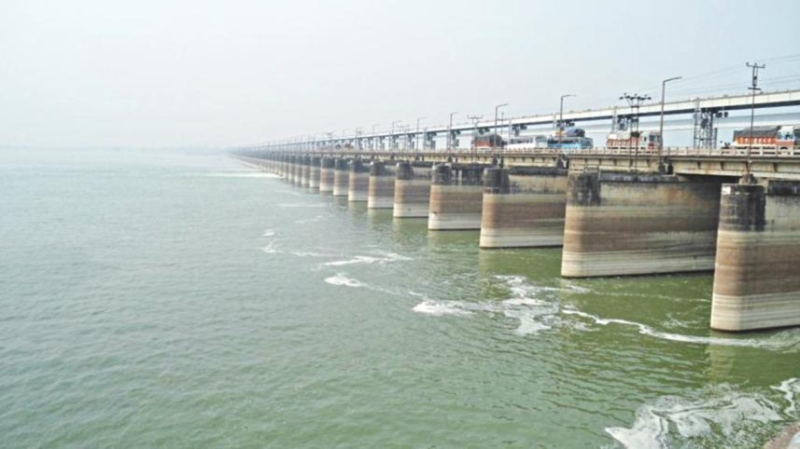
Image- Collected
India has said issues surrounding the Ganga Water Sharing Treaty with Bangladesh will continue to be discussed through the bilateral Joint Rivers Commission (JRC), as Dhaka awaits New Delhi’s response on renewing the agreement.
Indian Foreign Ministry spokesperson Randhir Jaiswal said the 1996 Ganga Water Treaty, signed for 30 years, covers water and river-related issues discussed under the JRC framework. He added that technical-level meetings of the treaty’s Joint Committee are still continuing.
Bangladesh, meanwhile, has made clear that it wants to renegotiate the treaty while protecting the water rights and interests of its people.
Foreign Minister Dr Khalilur Rahman told parliament on 27 August that Bangladesh remains committed to securing its fair share of water from common rivers. A team has been formed to prepare a new agreement following the treaty’s expiry, and Dhaka has already informed India and is now waiting for its response.
The 1996 treaty is set to expire in December this year. Experts have called for a comprehensive review of the agreement before a new or revised treaty is negotiated, suggesting that specialists from fields including economics, urban planning, sociology and environmental studies should be involved.
Dr Khalilur has also stressed the need for a durable agreement that addresses the essential needs of both countries and earns public confidence.
Prof Shahab Enam Khan of the Bangladesh Center for Indo-Pacific Affairs said the treaty should be revised because the existing agreement was negotiated nearly three decades ago and no longer fully reflects present-day realities.