

- Oil Shock Sends Asian Markets Lower as Middle East Conflict Threatens Global Shipping |
- Trump Links Iran War to US Midterms, Backs United Ireland |
- PM Tarique Rahman Seeks Public Cooperation to Tackle Nationwide Dengue Outbreak |
- Jatiyatabadi Mahila Dal Vows to Lead Fight Against Rape, Violence Against Women and Children |
- 'Honorable' Dropped: PM Starts Implementing Decision from His Own Office |
Investment-Led growth key to Bangladesh’s next economic phase: Finance Adviser
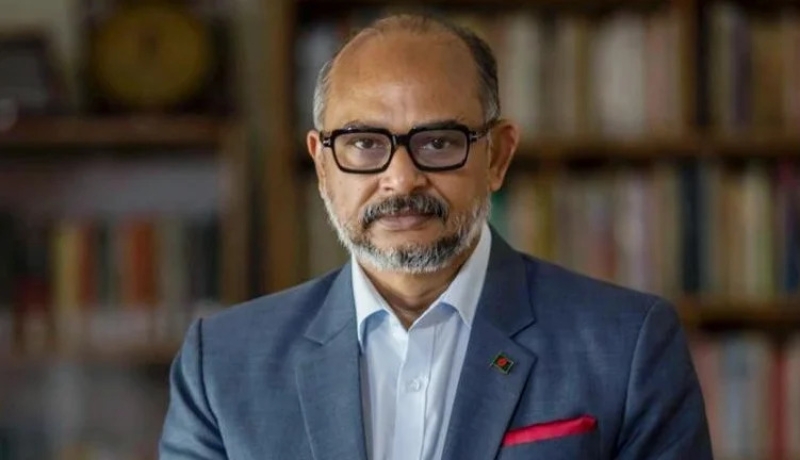
Image- Collected
Prime Minister’s Finance and Planning Adviser Dr Rashed Al Mahmud Titumir on Friday said Bangladesh needs an investment-driven economic model that increases production, creates jobs, and boosts government revenue without raising tax rates.
Speaking at the Bengal Delta Conference 2026 (BDC 2026), he said higher revenue generated through employment and production would help expand spending on education, healthcare, and social protection, supporting the country's transition towards a democratic welfare state.
Dr Titumir said the government is working to introduce a universal lifecycle-based social security system while reforming education and healthcare with greater emphasis on skills development, innovation, and expanding access to grassroots health services.
Highlighting governance reforms, he said legitimacy, accountability, and transparency remain central to the government's approach. He noted that although the administration inherited a fragile fiscal situation, it now has the mandate to pursue transformative reforms.
On revenue mobilisation, the adviser said the focus is on strengthening institutions, reducing corruption, limiting tax exemptions, and improving enforcement instead of increasing tax rates. He added that improved revenue collection, including stronger performance by Chattogram Customs House, reflects progress, while challenges such as tax evasion are still being addressed.
Dr Titumir also said the government is moving to end discretionary SRO-based tax concessions and ensure decisions on taxation and public spending are guided by Parliament.
Emphasising industrialisation, he said expanding productive capacity, improving energy security, enhancing competitiveness, and diversifying exports will be crucial as Bangladesh prepares to graduate from the Least Developed Country (LDC) category in 2029.
He expressed confidence that the government's reform agenda would begin delivering tangible results during the current fiscal year. Referring to external economic pressures, Dr Titumir said Bangladesh had spent about $3.46 billion to absorb the impact of the Middle East crisis and global energy price shocks while continuing to protect agriculture and consumers.