

- Oil Shock Sends Asian Markets Lower as Middle East Conflict Threatens Global Shipping |
- Trump Links Iran War to US Midterms, Backs United Ireland |
- PM Tarique Rahman Seeks Public Cooperation to Tackle Nationwide Dengue Outbreak |
- Jatiyatabadi Mahila Dal Vows to Lead Fight Against Rape, Violence Against Women and Children |
- 'Honorable' Dropped: PM Starts Implementing Decision from His Own Office |
Nepal floods halt electricity exports to Bangladesh
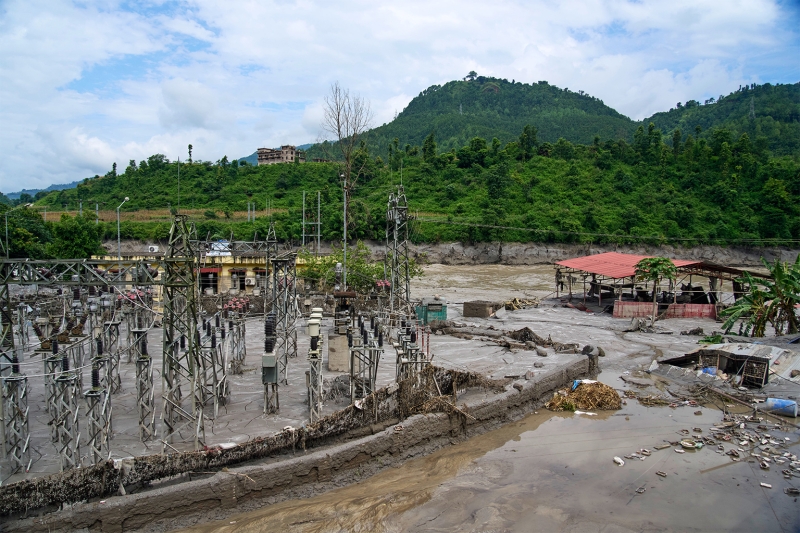
Image- Collected
Nepal’s electricity exports have fallen sharply after devastating floods damaged hydropower plants and transmission infrastructure in the Bhotekoshi River system, bringing power supplies to Bangladesh through India to an effective halt.
Nepal normally exports around 1,000 megawatts of electricity during the wet season. However, following the August 26 floods, exports have dropped to about 650 MW as several hydropower plants were forced to shut down or operate at reduced capacity.
Bangladesh has been particularly affected because it had only recently begun receiving electricity from Nepal through India’s power grid. The 22.1 MW Chilime and 24 MW Trishuli hydropower projects, which were authorised to supply electricity to Bangladesh, were both damaged by the floods and have remained out of operation.
The Nepal Electricity Authority (NEA) said it has asked India for permission to redirect electricity from other operational projects to Bangladesh as an alternative. At present, exports to Bangladesh are effectively zero.
The floods have also disrupted Nepal’s domestic power generation, with 12 hydropower projects affected. Some plants are operating in isolated mode after transmission lines were damaged, supplying electricity only to nearby areas.
Nepal is facing additional challenges in exporting power to India. Export approvals for three hydropower projects with a combined capacity of 73.75 MW have expired and are awaiting renewal.
The situation highlights the difficulties Nepal faces as it seeks to expand its role as a regional electricity exporter. Although India has approved exports from 37 Nepali hydropower projects with a combined capacity of around 1,200 MW, electricity exports to Bangladesh depend on access to India’s transmission network.
The two countries had also agreed to increase exports to Bangladesh by another 20 MW, but India later said the additional supply could not be facilitated due to limited transmission capacity.
Nepal is now working to repair damaged infrastructure while seeking Indian approval to supply Bangladesh with electricity from other operational projects. The disruptions come at a critical time, as the monsoon season normally allows Nepal to maximise hydropower generation and export earnings.