

- Oil Shock Sends Asian Markets Lower as Middle East Conflict Threatens Global Shipping |
- Trump Links Iran War to US Midterms, Backs United Ireland |
- PM Tarique Rahman Seeks Public Cooperation to Tackle Nationwide Dengue Outbreak |
- Jatiyatabadi Mahila Dal Vows to Lead Fight Against Rape, Violence Against Women and Children |
- 'Honorable' Dropped: PM Starts Implementing Decision from His Own Office |
Strong El Niño could trigger floods, droughts and extreme heat through 2027: WMO
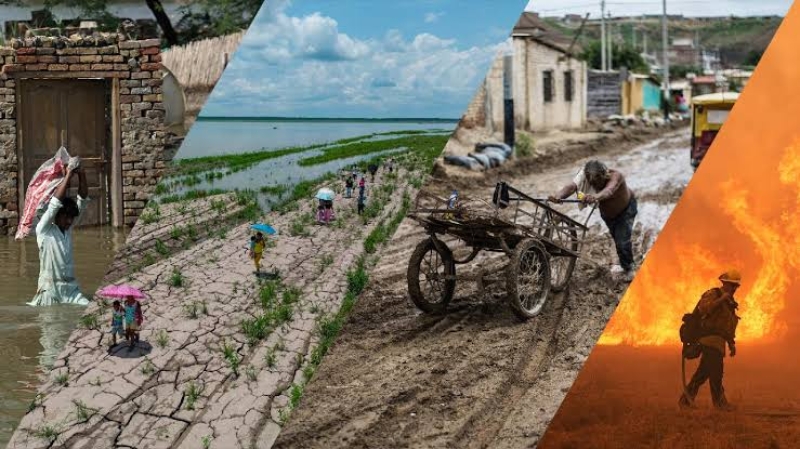
Image- Collected
The World Meteorological Organization (WMO) has warned that the El Niño weather phenomenon is firmly established and could intensify into a very strong event in the coming months, raising the risks of floods, droughts and extreme heat in different parts of the world.
According to the WMO’s latest update, forecasts from its Global Producing Centres indicate an almost 100 percent probability that El Niño will continue through February 2027. The unusually high level of certainty reflects strong agreement among meteorological and climate forecasting centres worldwide.
El Niño is being driven by unusually warm ocean temperatures in the tropical Pacific. The phenomenon is expected to strengthen further in the coming months, potentially reaching very strong intensity and peaking toward the end of 2026. Its effects on global weather and climate patterns could continue well into 2027.
UN Secretary-General António Guterres described the developing event as an exceptionally large El Niño and warned that rising sea-surface and global temperatures could increase the threat of extreme weather.
WMO Secretary-General Celeste Saulo said the phenomenon could have serious consequences for communities and economies worldwide, with droughts, floods and other disruptions already affecting several regions. She called for greater preparedness and faster response as El Niño intensifies.
The WMO has launched a major mobilisation with national meteorological and hydrological services to strengthen forecasting and early-warning systems. It will also work with UN agencies, humanitarian organisations and other partners to provide climate information for disaster preparedness and for climate-sensitive sectors such as agriculture, health, energy and water management.
The WMO’s El Niño/La Niña updates serve as an important source of information for governments and decision-makers, drawing on climate models and assessments from meteorological and climate centres around the world.