

- City govt essential for planned development of Chattogram: CCC administrator |
- Asian Stocks Slump After US Tech Rout Amid AI Jitters |
- Free Concert Featuring James and Seven Bands Set for Manik Mia Avenue |
- Garment factories reopen as workers return to work in Savar-Ashulia |
- Trump confirms new US strikes on Iran’s Qeshm island |
Seven Oil Tankers Hit or Damaged in Strait of Hormuz, Iran Claims
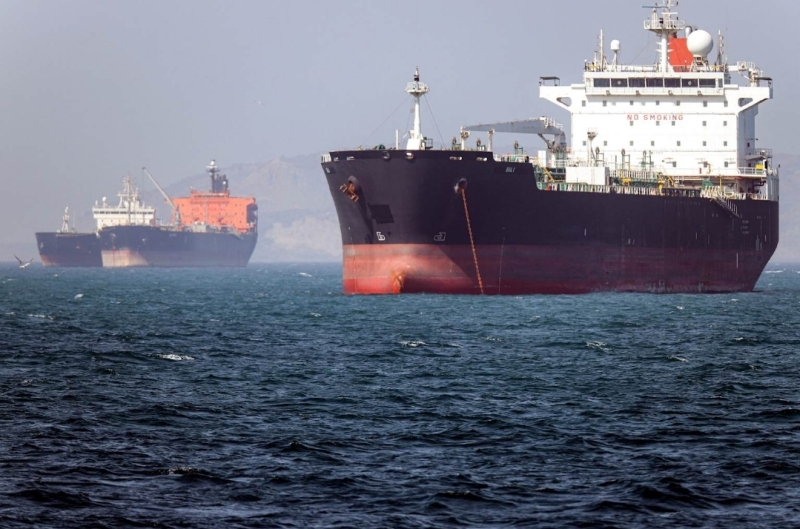
Image: Collected
Iran’s Revolutionary Guard Corps (IRGC) Navy said on Thursday that seven oil tankers were hit or damaged in and around the Strait of Hormuz, in what could be the largest single-day loss of vessels in the strategic waterway since the Iran war began on February 28.
What Iran says happened
Iranian state television, citing an IRGC Navy statement, reported that four tankers were targeted while transferring oil and caught fire. It said three other vessels were damaged and immobilised after striking naval mines west of the strait.
The report did not identify the ships, their flags, or any casualties, and the claims have not yet been independently verified.
Warning to Washington
The IRGC warned that continued U.S. efforts to guide commercial tankers through what it called “illegal passages” could trigger a wider response, including attacks on American military bases in the region.
The threat adds to fears that the conflict could return to full-scale war, with the United States reinforcing its regional presence and diplomatic efforts still stalled.
Energy markets react
Oil prices rose more than 2% after the report, and world shares and U.S. futures fell as investors weighed the risk of further disruption to shipping through Hormuz, a critical route for global oil exports.
If confirmed, the incident would mark the highest number of vessels damaged in the waterway in a single day since the war began, intensifying pressure on insurers, shippers, and governments dependent on Gulf energy supplies.