

- Arson Attempt Foiled as Staff Quench Fire on Mirpur Bus |
- Personalized mRNA Melanoma Vaccine Intismeran Hits Major Milestone, Cutting Recurrence Risk by 42% in Landmark Phase 3 Trial |
- City govt essential for planned development of Chattogram: CCC administrator |
- Asian Stocks Slump After US Tech Rout Amid AI Jitters |
- Free Concert Featuring James and Seven Bands Set for Manik Mia Avenue |
Iran warns of ‘painful’ retaliation as US sends third carrier to Middle East
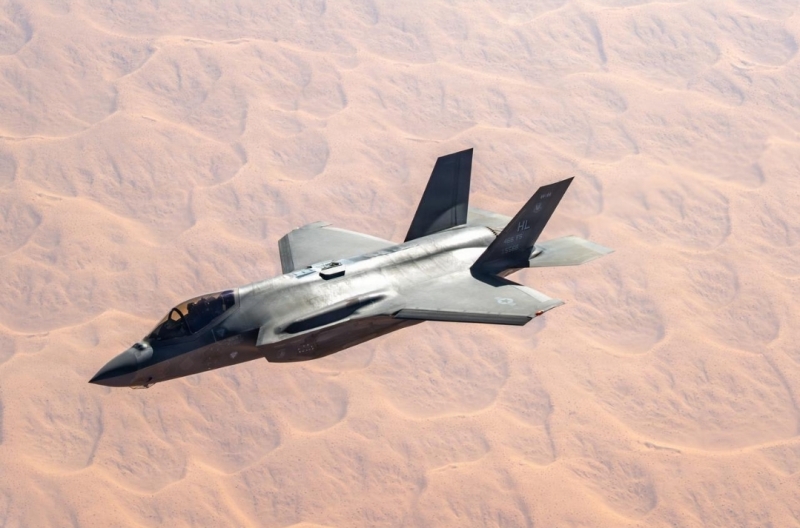
Image: Collected
Iran’s Revolutionary Guard has warned that any renewed US attack would trigger an “immediate, painful” response, as Washington deploys a third aircraft carrier strike group and thousands of additional troops toward the Middle East. The escalation comes with diplomacy stalled and President Donald Trump weighing further strikes after the midterm elections.
IRGC warning
The Islamic Revolutionary Guard Corps issued the warning to mark the anniversary of Operation True Promise II, Iran’s October 2024 missile attack on Israel. It said the “era of cost-free threats” against Iran had ended and pledged to respond “decisively, immediately, painfully and more lethally” to any US, Israeli or allied attack.
The Guard also claimed it holds “comprehensive intelligence” on US and Israeli positions and assets. Iranian officials have not publicly specified what a renewed retaliation would target.
Wider target list
According to Reuters, three senior Iranian officials and an insider said commanders are reviewing plans to broaden potential targets beyond US-linked assets. The possible list includes countries supporting US military operations and, potentially, US interests outside the Middle East.
Officials said Iran had instructed allied groups in Lebanon, Yemen and Iraq to prepare for a coordinated response “from the Strait of Hormuz to US interests in the region and outside the Middle East.” No final decision has been announced.
US military buildup
The Pentagon is sending the USS Theodore Roosevelt carrier strike group and the USS Makin Island Amphibious Ready Group to the region. The deployment includes roughly 9,000 to 10,000 troops and more than 2,000 Marines.
A US official told Al Jazeera that, by the end of November, three aircraft carriers and two amphibious landing groups could be positioned near Iran. The buildup is described as the largest US regional deployment since the 2003 invasion of Iraq.
Trump weighs next move
President Trump has said renewed large-scale strikes on Iran are “possible” after the Nov. 3 midterm elections. His senior national security officials met at Camp David to discuss the war, according to Axios.
The conflict began on Feb. 28 with US-Israeli strikes on Iran. A ceasefire took effect on April 8 but collapsed in July, after which the US reimposed a naval blockade on Iranian ports.
Diplomacy under pressure
Tehran has sent a proposal through Qatari mediators to reopen the Strait of Hormuz, but Trump said he rejected it. Iranian state media said Washington’s response remains under review.
Iran’s economy is also under severe strain: inflation is near 90%, and preliminary estimates indicate no Iranian crude was loaded onto tankers in September. Analysts warn the combined military and economic pressure could push Tehran toward either concessions or a more aggressive response.