

- City govt essential for planned development of Chattogram: CCC administrator |
- Asian Stocks Slump After US Tech Rout Amid AI Jitters |
- Free Concert Featuring James and Seven Bands Set for Manik Mia Avenue |
- Garment factories reopen as workers return to work in Savar-Ashulia |
- Trump confirms new US strikes on Iran’s Qeshm island |
Higher imports expected to keep Ramadan kitchen market stable
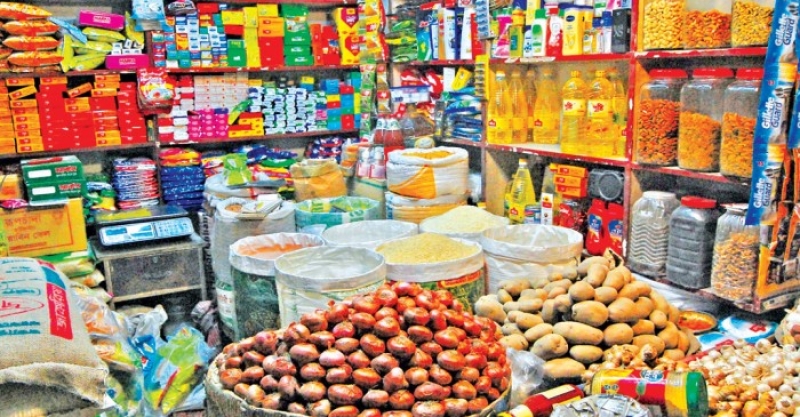
Representational image- Collected
Bangladesh’s kitchen market is expected to remain broadly stable during Ramadan, supported by increased imports and higher letters of credit (LCs) for essential commodities, according to the Bangladesh Trade and Tariff Commission (BTTC). However, price stability will also depend on international markets, import costs and domestic supply.
BTTC data show that imports of several essentials between July 1 and October 25 exceeded those of the same period last year. Meanwhile, the Trading Corporation of Bangladesh (TCB) reported lower retail prices for eggs, broiler chicken and lentils, while edible oil and sugar prices remained largely unchanged.
These issues were discussed at a Ministry of Commerce meeting on Monday, chaired by Commerce Minister Khandakar Abdul Muktadir. Poultry industry representatives reported stable production and said farm-level egg prices had fallen below Tk 10 per piece, approaching production costs. No major shortages are expected, although chicken demand after Eid-ul-Fitr could push prices up.
The minister called for a simpler, more transparent tariff structure for dates that reflects differences in quality and varieties. Importers also urged authorities to revise customs valuation methods that may raise costs when they do not reflect actual purchase prices and transportation expenses.
The BTTC reported rising international prices for edible oil and chickpeas, while lentil prices had declined. Officials stressed monitoring global prices and domestic supplies and suggested reviewing tariffs on sugar and fruit imports to help keep prices affordable. Chickpeas and lentils are currently exempt from duties and taxes.
Between July 1 and October 25, edible oil imports rose to 820,000 tonnes from 700,000 tonnes a year earlier, while soybean seed imports increased to 500,000 tonnes from 390,000 tonnes. Sugar imports reached 680,000 tonnes, up from 530,000 tonnes.
Chickpea imports surged to 82,000 tonnes from 12,000 tonnes, while lentil imports rose to 120,000 tonnes from 56,000 tonnes. Date imports also climbed to 110,000 tonnes, compared with just 4,000 tonnes a year earlier.
The higher import volumes and LC openings are expected to support adequate supplies during Ramadan, when demand for essential food items typically rises. Nevertheless, keeping prices stable will depend on import costs, global market trends and domestic availability.