

- Arson Attempt Foiled as Staff Quench Fire on Mirpur Bus |
- Personalized mRNA Melanoma Vaccine Intismeran Hits Major Milestone, Cutting Recurrence Risk by 42% in Landmark Phase 3 Trial |
- City govt essential for planned development of Chattogram: CCC administrator |
- Asian Stocks Slump After US Tech Rout Amid AI Jitters |
- Free Concert Featuring James and Seven Bands Set for Manik Mia Avenue |
India’s Gen Z protests intensify pressure on Modi government
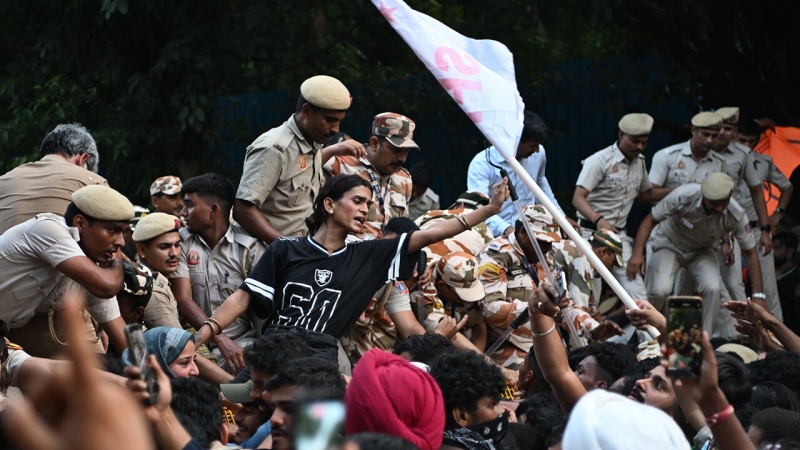
Image- Collected
Youth-led protests across India are intensifying opposition to Prime Minister Narendra Modi’s government, with demonstrations over alleged electoral bias, unemployment and corruption-related concerns. The Armed Conflict Location and Event Data Project (ACLED) has projected that protests in India this year could exceed any annual total in the past decade.
Recent demonstrations in Delhi and other cities have demanded the resignation of Chief Election Commissioner Gyanesh Kumar over voter-roll revisions that opposition parties and activists allege favour the ruling Bharatiya Janata Party (BJP). The government, BJP and Election Commission have rejected the accusations.
The unrest has also been fuelled by frustration over limited job opportunities, examination paper leaks, crimes against women and allegations of close ties between the government and wealthy business figures. The BJP denies bias and credits its electoral victories to Modi’s popularity and economic growth.
A youth-led group, the Cockroach Janta Party, has helped mobilise protesters after emerging from online satire earlier this year. Social media and independent YouTube news channels have amplified the demonstrations, while opposition leaders, including Congress leader Rahul Gandhi, have joined the protests.
Official data put unemployment among Indians aged 15–29 at 9.9% in 2025. Azim Premji University’s State of Working India 2026 report found that nearly 40% of graduates aged 15–25 were unemployed.
Although the protests have drawn comparisons with youth-led movements in Bangladesh and Nepal, analysts caution that India’s political circumstances are different. With national elections not due until 2029, upcoming polls in Uttar Pradesh could offer an early indication of whether the unrest affects the BJP’s electoral support.