

- Arson Attempt Foiled as Staff Quench Fire on Mirpur Bus |
- Personalized mRNA Melanoma Vaccine Intismeran Hits Major Milestone, Cutting Recurrence Risk by 42% in Landmark Phase 3 Trial |
- City govt essential for planned development of Chattogram: CCC administrator |
- Asian Stocks Slump After US Tech Rout Amid AI Jitters |
- Free Concert Featuring James and Seven Bands Set for Manik Mia Avenue |
Over 69,000 Bangladeshi Women Migrant Workers Return Home Amid Abuse Concerns
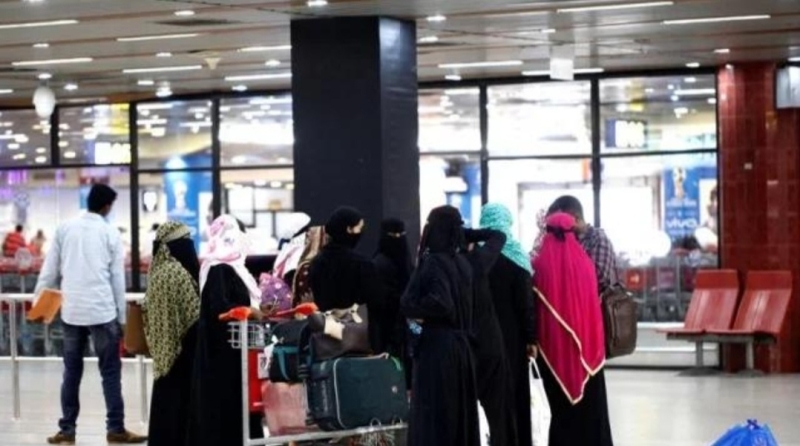
Image: Collected
More than 69,000 Bangladeshi women migrant workers have returned home since 2019, many after experiencing abuse, exploitation and other forms of mistreatment abroad, according to data from BRAC’s Migration Programme cited by The Daily Star.
The figures highlight persistent concerns over the safety and rights of Bangladeshi women migrating to the Middle East for employment, as questions remain about access to justice, compensation and support for survivors.
According to an editorial published by The Daily Star on April 29, at least 799 bodies of female migrant workers were repatriated to Bangladesh over the past eight years, citing data from the Wage Earners’ Welfare Board.
Between 2004 and 2025, more than 1.25 million Bangladeshi women went abroad for work, primarily to Middle Eastern destinations, according to Bureau of Manpower, Employment and Training (BMET) records cited by the newspaper.
The editorial highlighted cases in which women reportedly faced physical and psychological abuse, sexual violence, food deprivation, unpaid wages and excessive working hours. Some returnees also reported having their mobile phones confiscated, leaving them unable to contact their families or seek assistance.
One woman, identified by the pseudonym Rahima, was reportedly promised an office job in Saudi Arabia but was instead made to perform domestic work under abusive conditions. Another returnee alleged that she was confined and repeatedly raped after being lured abroad with false employment promises.
Access to legal assistance remains a significant concern. The editorial cited a Bangladesh National Woman Lawyers’ Association study that found around half of the returnees surveyed had not sought legal aid because they lacked awareness of or access to support services.
BMET data cited in the editorial showed that women migrant workers filed 2,036 complaints between 2021 and 2025. Of those, 1,969 were recorded as resolved. However, the editorial questioned whether complaint resolution had translated into meaningful accountability for recruitment agencies accused of malpractice.
It also reported that only 14 of 110 agencies accused of malpractice were compelled to pay compensation in the preceding year. Of 395 migrant workers who received legal aid through Bangladesh missions during the 2024–25 fiscal year, just 11 were women.
The editorial called for stronger oversight of recruitment agencies, improved access to legal support in Bangladesh and destination countries, regular monitoring of workers abroad, and greater diplomatic engagement with host countries.
It also stressed the need to inform prospective migrants about their rights and complaint procedures before departure, arguing that the protection of women workers must be treated as a priority throughout the migration process.