

- Arson Attempt Foiled as Staff Quench Fire on Mirpur Bus |
- Personalized mRNA Melanoma Vaccine Intismeran Hits Major Milestone, Cutting Recurrence Risk by 42% in Landmark Phase 3 Trial |
- City govt essential for planned development of Chattogram: CCC administrator |
- Asian Stocks Slump After US Tech Rout Amid AI Jitters |
- Free Concert Featuring James and Seven Bands Set for Manik Mia Avenue |
Marvel Goes Retro: Ghost Rider to Be Shot on Film
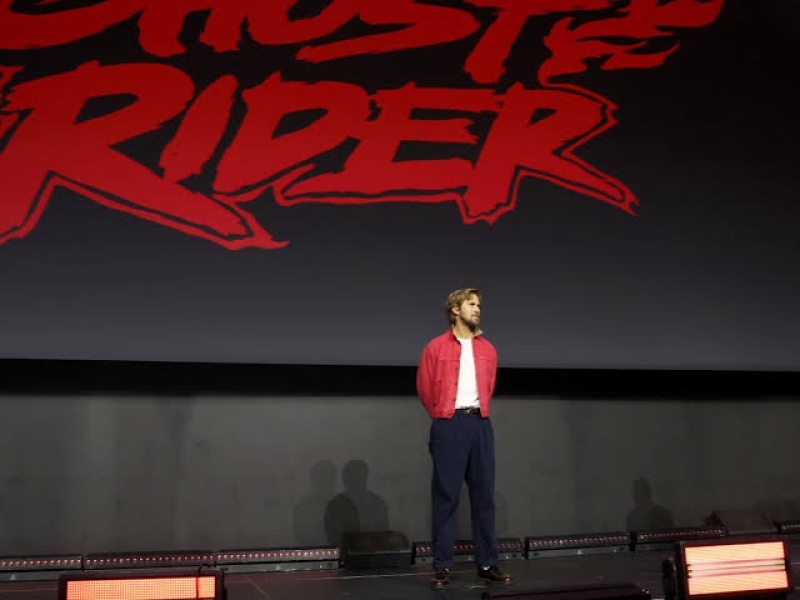
Image: Collected
Marvel Studios is taking an unexpectedly old-school approach with its upcoming Ghost Rider, as reports say the Ryan Gosling-led film will be shot entirely on traditional film rather than digital cameras. The decision gives the supernatural action movie a potentially richer, more textured visual style and marks a notable departure from Marvel’s usual digital-heavy production methods.
Cinematographer Linus Sandgren, the Oscar-winning DP behind La La Land and a key figure on Dune: Part Three, is reportedly set to bring Ghost Rider to life on celluloid. His involvement suggests that Marvel wants the film to feel more cinematic and distinctive, especially as the Spirit of Vengeance returns to the big screen in a new MCU incarnation.
Directed by Shawn Levy, Ghost Rider is expected to begin production in New York in 2027, with reports indicating that the shoot may also move into New Jersey. The use of real highways, industrial locations, and urban environments could make the film’s fiery, high-speed action feel more grounded and visceral.
Ryan Gosling is attached to play Johnny Blaze, while Connor Storrie is reportedly in talks to join the cast as the film’s villain. Marvel officially announced the movie at San Diego Comic-Con in 2026, with a theatrical release planned for July 28, 2028.
If the film-format reports prove accurate, Ghost Rider could become one of Marvel Studios’ most visually ambitious projects in years. Rather than relying solely on digital effects and polished studio imagery, the production may embrace the grain, color, and tangible texture of analog filmmaking to create a darker, more cinematic take on the flaming antihero.