

- Arson Attempt Foiled as Staff Quench Fire on Mirpur Bus |
- Personalized mRNA Melanoma Vaccine Intismeran Hits Major Milestone, Cutting Recurrence Risk by 42% in Landmark Phase 3 Trial |
- City govt essential for planned development of Chattogram: CCC administrator |
- Asian Stocks Slump After US Tech Rout Amid AI Jitters |
- Free Concert Featuring James and Seven Bands Set for Manik Mia Avenue |
Disney Almost Named Emperor Kuzco Something Extremely NSFW in ‘The Emperor’s New Groove’
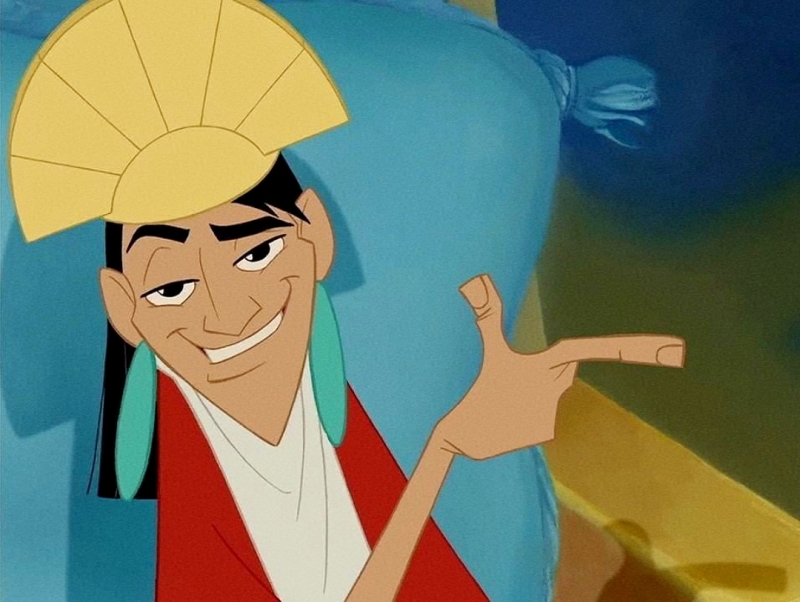
Image: Collected
Twenty-six years after its release, The Emperor’s New Groove remains one of Disney’s sharpest and most rewatchable comedies. But the film’s journey to the screen was chaotic, and one of the last changes may have been the most awkward.
David Spade’s arrogant Inca emperor was originally called Manco. The name was a nod to Manco Cápac, the legendary founder of the Inca civilization. Producer Randy Fullmer later realized the problem: in Japanese, “manko” (and the closely related “omanko”) is vulgar slang for female genitalia. Disney quietly changed the character’s name to Kuzco before the movie hit theaters in December 2000.
The name swap was just one of many major overhauls. The project began in the mid-1990s as Kingdom of the Sun, an ambitious musical loosely based on Mark Twain’s The Prince and the Pauper. Roger Allers (The Lion King) was attached to direct a more epic version. Owen Wilson was cast as the peasant who looked exactly like the emperor. Carla Gugino was in talks for a princess role. Much of that footage and story was scrapped after the film was retooled into a fast-paced buddy comedy under director Mark Dindal.
Even the ending changed under pressure. Sting, who wrote songs for the soundtrack, objected to an original climax in which Kuzco destroyed a rainforest to build his private water park, Kuzcotopia. He threatened to walk away, and the studio rewrote it.
Despite strong reviews and a devoted following that has only grown over the years, the film underperformed at the box office. It earned just under $170 million worldwide against a $100 million budget, a disappointment by Disney standards at the time.
Looking back, the Manco-to-Kuzco change feels like pure Disney damage control. In an era before social media could turn every awkward detail into a viral meme overnight, the studio still managed to dodge a linguistic landmine that would have given the movie a very different kind of notoriety.