

- City govt essential for planned development of Chattogram: CCC administrator |
- Asian Stocks Slump After US Tech Rout Amid AI Jitters |
- Free Concert Featuring James and Seven Bands Set for Manik Mia Avenue |
- Garment factories reopen as workers return to work in Savar-Ashulia |
- Trump confirms new US strikes on Iran’s Qeshm island |
Who Let the Bots Out? How Digital Sleuths Are Pulling Over Synthetic Prose
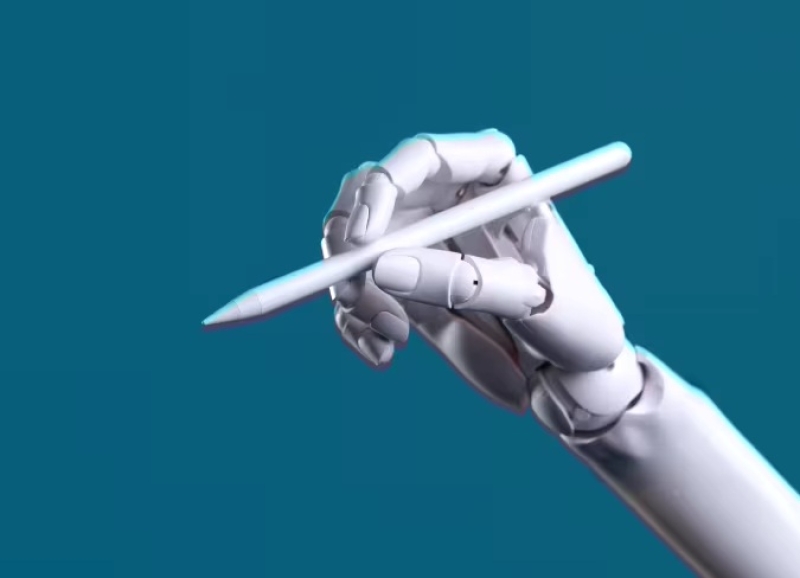
Image: Collected
A relentless new force of "anti-AI writing police" is patrolling the internet, ready to hand out tickets to anyone passing off machine-generated prose as their own original genius. As generative AI tools flood classrooms, newsrooms, and publishing houses, a growing army of digital detectors and eagle-eyed critics has emerged to hunt down synthetic text and save human literature from a future of robotic monotony.
So, what exactly are these digital sleuths sniffing out when they pull your paragraphs over for inspection? Armed with detection software like Pangram, the writing police are scanning for telltale signs of bot behavior: unnaturally uniform sentence structures, suspiciously repetitive phrasing, and an eerie lack of authentic human soul. If a piece of writing reads like an over-polished, excessively polite textbook that avoids taking a real stance, chances are the AI sirens are already blaring.
As AI models get smarter and the detectors get sharper, this high-stakes game of digital hide-and-seek shows no signs of slowing down. For now, writers looking to stay off the bot-hunters' radar will need to rely on the one thing algorithms still can't fake: genuine human messiness, lived experience, and a real voice.