

- Arson Attempt Foiled as Staff Quench Fire on Mirpur Bus |
- Personalized mRNA Melanoma Vaccine Intismeran Hits Major Milestone, Cutting Recurrence Risk by 42% in Landmark Phase 3 Trial |
- City govt essential for planned development of Chattogram: CCC administrator |
- Asian Stocks Slump After US Tech Rout Amid AI Jitters |
- Free Concert Featuring James and Seven Bands Set for Manik Mia Avenue |
Gulf Export Recovery Caps Oil Prices as Hormuz Risks Persist
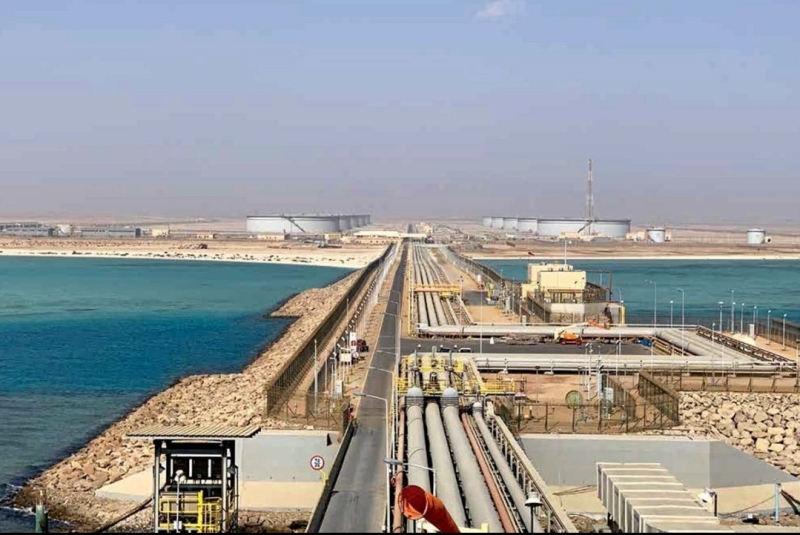
Image: Collected
Oil prices eased on Wednesday as recovering crude exports from the Gulf helped reduce concerns over supply disruptions. However, continued security threats around the Strait of Hormuz, a storm threatening U.S. energy infrastructure and tightening global inventories kept a floor under prices.
West Texas Intermediate crude traded near $89 a barrel during European hours, while Brent remained around $100. The market followed a modest rebound on Tuesday, when WTI settled at about $89.44 a barrel and Brent closed near $100.58.
Gulf exports recover
Middle Eastern crude exports rose above pre-war levels on four days during the final week of September, according to provisional data from shipping intelligence firm Kpler. Shipments reached between 19.5 million and 22.5 million barrels per day on Sept. 24 and from Sept. 27 to 29. The seven-day average stood at 18.5 million barrels per day on Oct. 1, compared with a pre-war average of about 18 million barrels per day.
Producers are increasingly using alternative routes, ship-to-ship transfers and pipelines that bypass Hormuz. About 40% of regional crude exports avoided the strait in September, compared with 17% before the conflict, according to Kpler data cited by Al Jazeera.
Saudi Arabia has also restored flows through its East-West Pipeline to the Red Sea port of Yanbu. The route can carry around 5.8 million barrels per day, offering exporters an alternative to tanker shipments through Hormuz.
Shipping risks remain
Despite the recovery in exports, traders remain concerned about the security of tankers passing through the Strait of Hormuz. Recent attacks and threats involving commercial shipping have kept insurance and freight costs elevated, while longer routes have reduced the availability of vessels.
The renewed risks have limited the downward pressure created by recovering exports and the Group of Seven’s plan to release 100 million barrels of crude and diesel from emergency reserves. The International Energy Agency’s governing board was also expected to discuss a possible coordinated stock release.
Storm adds uncertainty
A developing weather system in the Gulf of Mexico could strengthen into the Atlantic’s first hurricane of 2026 within 48 hours, according to forecasters. The storm may threaten offshore oil and gas production, refining operations and shipping along the U.S. Gulf Coast.
The potential disruption comes as U.S. crude inventories reportedly fell by about 2.1 million barrels last week, adding another source of support for prices.
EIA raises forecast
The U.S. Energy Information Administration raised its fourth-quarter Brent forecast by $14 to about $105 a barrel. It cited declining global inventories, tight diesel markets and attacks on Middle Eastern energy infrastructure.
The EIA expects oil prices to ease gradually as regional production recovers and inventories rebuild. However, it warned that any further deterioration in Middle East security could produce sharp and rapid price increases.
For now, the market remains pulled in opposite directions: recovering Gulf exports are easing immediate supply fears, but the continuing threat to shipping through Hormuz, the approaching storm and lower inventories are preventing a deeper decline.