

- Oil Shock Sends Asian Markets Lower as Middle East Conflict Threatens Global Shipping |
- Trump Links Iran War to US Midterms, Backs United Ireland |
- PM Tarique Rahman Seeks Public Cooperation to Tackle Nationwide Dengue Outbreak |
- Jatiyatabadi Mahila Dal Vows to Lead Fight Against Rape, Violence Against Women and Children |
- 'Honorable' Dropped: PM Starts Implementing Decision from His Own Office |
Hindu Students Push for Clear Distinction Between Sacred Swastika and Nazi Symbol
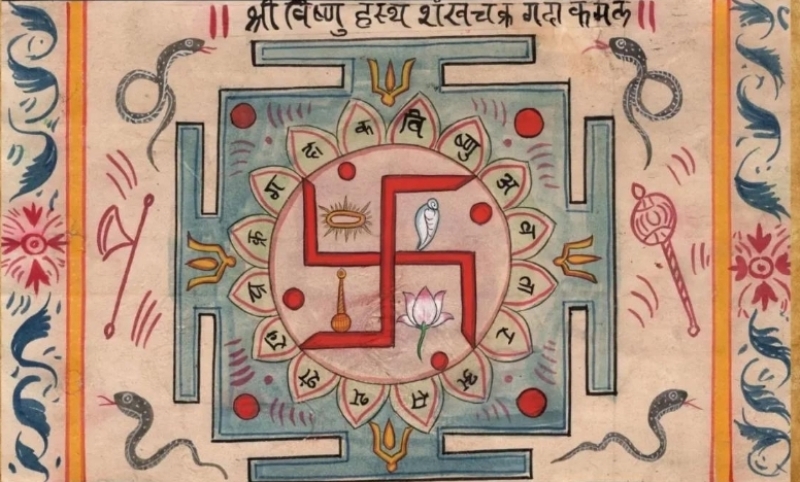
Image: Collected
Hindu students in the United States are calling on schools to better explain the religious and cultural meaning of the swastika, arguing that the ancient symbol is too often confused with the Nazi emblem associated with Adolf Hitler and the Holocaust.
The campaign has gained attention after several Hindu students said they encountered situations in classrooms where the swastika was presented primarily as a symbol of Nazism. For Hindu students, however, the symbol has a very different meaning and has been associated with auspiciousness, well-being, peace and good fortune for centuries.
One of the students at the centre of the campaign is 15-year-old Mira Trivedi, who began advocating for greater awareness after a classroom lesson described the swastika only in connection with Nazi Germany. Trivedi said the symbol had a completely different significance in her Hindu upbringing, where it appeared during religious celebrations and other auspicious occasions.
The Times of India
The word swastika comes from Sanskrit and is traditionally associated with ideas of well-being and good fortune. The symbol is also used in Buddhism and Jainism, as well as Hinduism, and can be found in religious ceremonies, artwork, temples and homes across parts of Asia.
Hindu American Foundation
The confusion largely stems from the Nazi Party's adoption of a similar hooked-cross emblem in the 20th century. Nazi Germany used the symbol as a political emblem connected with racial ideology, antisemitism and genocide. The United States Holocaust Memorial Museum documents the symbol's transformation into one of the most recognizable signs of Nazism.
Holocaust Encyclopedia
Hindu students and their supporters say schools should teach the distinction rather than treating every appearance of the symbol as an expression of hate. They argue that understanding the historical and religious contexts can help prevent Hindu students from feeling that an important part of their faith has been incorrectly portrayed.
The issue has also received support from some Jewish students and educators, highlighting the possibility of teaching both histories simultaneously: acknowledging the swastika's ancient religious significance while making clear why the Nazi appropriation of the symbol remains deeply associated with the Holocaust and antisemitism.
The debate reflects a broader challenge for schools in multicultural societies: how to explain symbols whose meanings can vary dramatically depending on historical, religious and cultural context.