

- City govt essential for planned development of Chattogram: CCC administrator |
- Asian Stocks Slump After US Tech Rout Amid AI Jitters |
- Free Concert Featuring James and Seven Bands Set for Manik Mia Avenue |
- Garment factories reopen as workers return to work in Savar-Ashulia |
- Trump confirms new US strikes on Iran’s Qeshm island |
Brazil’s Markets in Freefall After Lula’s Stunning Election Upset
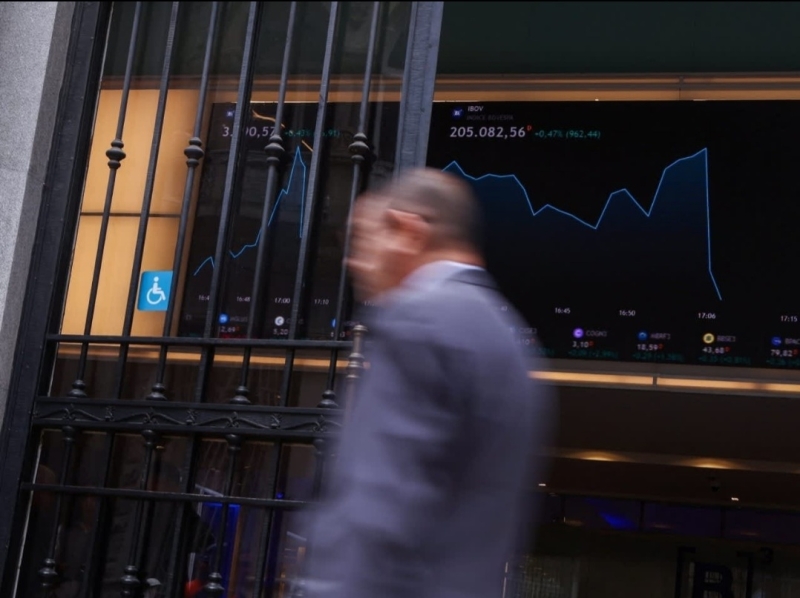
Image: Collected
Brazilian stocks, the currency and government bonds plunged on Monday after President Luiz Inácio Lula da Silva defied investor expectations to win a fourth term, triggering one of the country’s worst market routs in decades.
Stocks halted in panic
The benchmark Ibovespa index fell as much as 10% at the opening bell, forcing São Paulo’s B3 exchange to activate a circuit breaker and suspend trading for 30 minutes—the first such halt since the early COVID-19 market turmoil of 2020.
By the close, the index had dropped 13.9%, its biggest one-day fall since March 2020, while intraday losses approached 17%. Retail shares were among the hardest hit, and state oil company Petrobras also fell sharply as investors fled Brazilian equities.
Real suffers historic slide
Brazil’s real was the epicentre of the selloff. It weakened more than 11% against the US dollar in early spot trading—one of its largest intraday declines on record—before recovering some ground later in the session.
At its weakest point, the currency traded near 5.60 reais per dollar, a level last seen in December 2025. The collapse erased much of the currency’s gains from the weeks after the first-round vote, when markets had increasingly priced in a win for Lula’s right-wing rival, Senator Flávio Bolsonaro.
Bond yields surge
The shock spread quickly to Brazil’s debt markets. Longer-dated sovereign bonds suffered the steepest losses, with some dollar-denominated maturities falling more than 2.5 cents and underperforming peers across emerging markets.
Yields on 10-year local-currency government bonds surged above 15%, up more than two percentage points in a single day, as traders reassessed Brazil’s fiscal outlook under a new Lula government. Interest-rate futures also spiked, with some longer-dated contracts rising nearly 300 basis points before hitting trading limits.
Investors await fiscal signals
The rout reflects investor anxiety over public debt, which stands above 82% of GDP, and uncertainty about Lula’s spending priorities. Analysts said markets now want a clear commitment to fiscal discipline, particularly through his choice of finance minister.
“Investors want a clear and credible commitment to fiscal discipline,” Alejo Czerwonko of UBS told Reuters.
Despite the immediate turmoil, some strategists view the selloff as an overreaction rather than a permanent repricing of Brazil’s economic prospects. J.P. Morgan Private Bank expects near-term volatility but does not see the election result as a lasting shift in the country’s outlook.
For now, however, Brazil’s financial markets remain on edge as investors wait to see whether Lula’s victory will translate into higher public spending—or a credible plan to contain it.