

- City govt essential for planned development of Chattogram: CCC administrator |
- Asian Stocks Slump After US Tech Rout Amid AI Jitters |
- Free Concert Featuring James and Seven Bands Set for Manik Mia Avenue |
- Garment factories reopen as workers return to work in Savar-Ashulia |
- Trump confirms new US strikes on Iran’s Qeshm island |
Russian Diesel Returns to Turkey and Brazil as Tankers Resume Familiar Routes
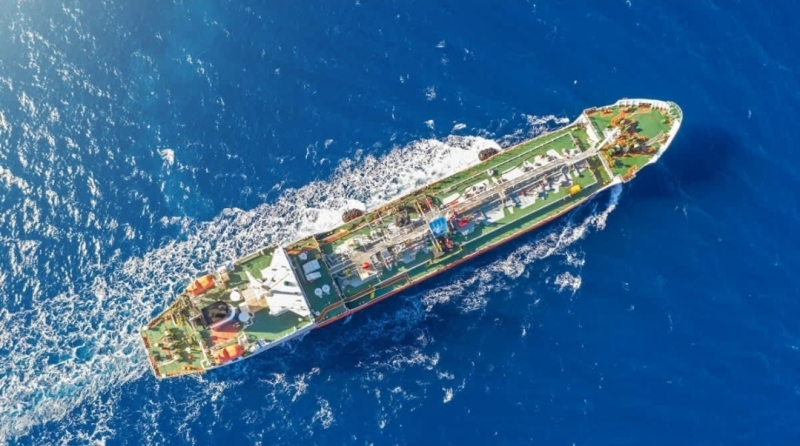
Image: Collected
Russian diesel exports are flowing again toward traditional buyers, with tankers carrying fuel from the Baltic port of Primorsk now signaling destinations in Turkey and Brazil following Moscow’s partial lifting of its export ban.
The tanker Leruo departed Primorsk on October 16 and is signaling Manaus, Brazil, while the Dolunay left the same port on October 14, bound for Alanya, Turkey, according to shipping data from Kpler and LSEG reported by Reuters. Each vessel is carrying an estimated 300,000-barrel cargo of diesel.
Morocco has also resumed imports, with a tanker carrying roughly 40,000 metric tons of ultra-low sulphur diesel loading at Primorsk on October 13 before heading to the North African country.
Old Trade Routes Reopen
Turkey, Brazil and Morocco have long been among the main destinations for Russian diesel outside Europe, which remains under an import ban. So far in 2026, Turkey has accounted for about 34% of Russian diesel loadings, Brazil for 24% and Morocco for 10%, according to Kpler.
“With Russian supply returning, established trade routes are the most logical place for those barrels to go first,” said Michelle Brouhard, Kpler’s head of geopolitical risk.
Turkish fuel suppliers have reportedly begun reducing purchases from domestic refiners, including Tupras, in anticipation of cheaper Russian cargoes arriving in the coming weeks.
The Trump-Putin Agreement
The renewed exports follow an agreement announced by U.S. President Donald Trump and Russian President Vladimir Putin on October 9. Shortly afterward, the U.S. Treasury issued a temporary license allowing Russian diesel to be sold on global markets.
Moscow then partially lifted the diesel export ban it imposed in July, when Ukrainian drone strikes on Russian refineries created domestic fuel shortages. Under the arrangement, Russia is expected to export 300,000 tons immediately, rising to 500,000 tons in November.
Russian Deputy Prime Minister Alexander Novak has suggested exports could reach 3.5 million tons per month by the end of the year, although analysts remain cautious about whether that pace is achievable.
Markets Largely Unmoved
Despite the resumption of shipments, European fuel markets have shown little reaction. The European Union and the United Kingdom still prohibit Russian fuel imports, limiting the immediate impact on European prices.
Russian diesel exports have averaged about 345,000 barrels per day this year, down 41% from 2025. European diesel futures have barely changed since the deal, while the premium of diesel over Brent crude remains elevated compared with a year earlier.
James Noel-Beswick, an analyst at Sparta Commodities, said the initial volumes announced by Trump are modest relative to the global supply shortfall. However, if Russian exports reach the levels outlined by Novak, they could close most of that gap and put downward pressure on global diesel prices.