

- Saudi road accident claims lives of seven Bangladeshis, 6 injured |
- Titas Gas suffers Tk5,140cr loss from unbilled gas in two years |
- Arson Attempt Foiled as Staff Quench Fire on Mirpur Bus |
- Personalized mRNA Melanoma Vaccine Intismeran Hits Major Milestone, Cutting Recurrence Risk by 42% in Landmark Phase 3 Trial |
- City govt essential for planned development of Chattogram: CCC administrator |
Musk’s Empire May Merge: Tesla-SpaceX Deal Could Be Announced Before December
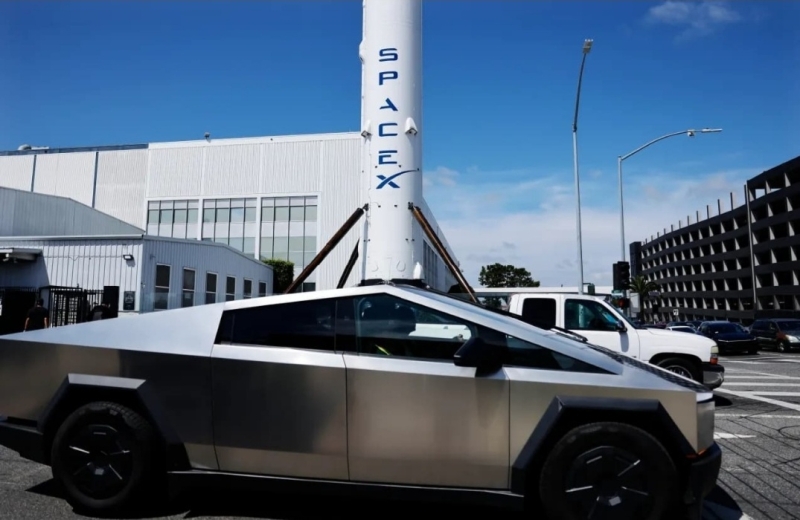
Image: Collected
A merger between Elon Musk’s Tesla and SpaceX could be announced before Tesla’s annual shareholder meeting, according to Barclays analysts led by Dan Levy. The meeting is expected to be held no later than Dec. 6, and Barclays believes a deal announcement before then would make shareholder approval easier.
Why a merger makes sense
Barclays argues that a combination would allow deeper vertical integration and accelerate artificial-intelligence development across Musk’s businesses. The analysts view Terafab—the chipmaking project involving Tesla, SpaceX and xAI—as a “key driver,” since it would produce semiconductors for Tesla vehicles, robotaxis, Optimus robots and SpaceX’s orbital AI satellites.
The companies already overlap in batteries, manufacturing technology and AI-related projects. Barclays said these links could create both financial synergies and strategic advantages if Tesla and SpaceX formally combine.
Timing matters
Barclays said an announcement could slip to late October or early November, but a later date would make it harder to secure merger approval at Tesla’s annual meeting. The firm expects Tesla’s 2026 annual general meeting to occur by Dec. 6 under corporate-law requirements.
Neither Tesla nor SpaceX has confirmed that merger talks are underway. Barclays’ note is an analyst forecast, not an announcement of a completed or negotiated transaction.
What could stand in the way
The biggest hurdle would be shareholder approval: both Tesla and SpaceX investors would likely need to vote in favor of the deal.
Musk’s much larger voting stake in SpaceX than in Tesla could also raise governance concerns, particularly over how Tesla’s public shareholders would be treated in any exchange ratio. Barclays has not disclosed proposed deal terms, and no regulatory review has been publicly announced.
What to watch
Investors should watch for a formal board announcement, merger terms, shareholder-meeting materials, or signs of regulatory engagement. Until then, the Barclays view gives markets a possible timeline—but not proof—that Musk’s electric-vehicle and space companies are moving toward one of the most consequential corporate combinations in modern history.