

- City govt essential for planned development of Chattogram: CCC administrator |
- Asian Stocks Slump After US Tech Rout Amid AI Jitters |
- Free Concert Featuring James and Seven Bands Set for Manik Mia Avenue |
- Garment factories reopen as workers return to work in Savar-Ashulia |
- Trump confirms new US strikes on Iran’s Qeshm island |
Trump Weighs Iran Strikes Before Midterms as Political ‘Win’ Bid Faces Backlash
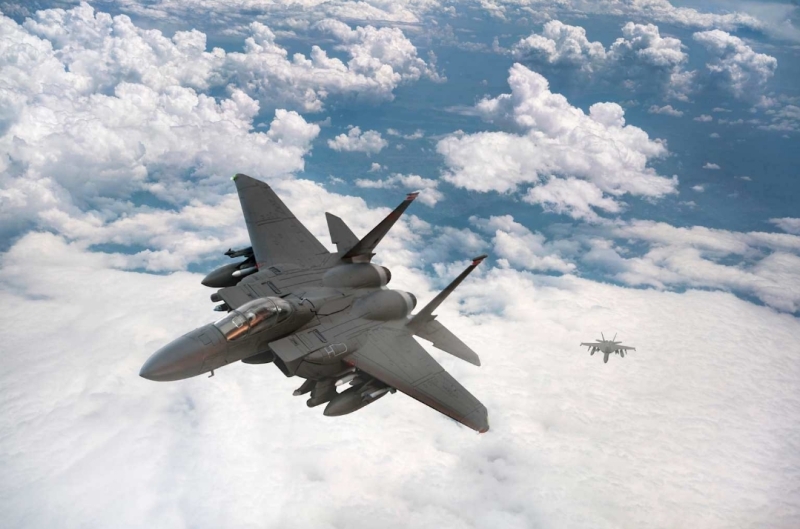
Image: Collected
The White House has asked the Pentagon to prepare options for possible strikes against Iran before the November 3 midterm elections, according to a report by The Atlantic. No final decision has been made, and officials are still debating the potential targets, scale and timing of any operation. U.S. Central Command is reportedly developing the plans.
A bid for a political win
Supporters of limited military action argue that fresh strikes could allow President Donald Trump to project strength and claim progress in the war before voters go to the polls. The proposal comes as the conflict remains unpopular and Republican candidates face pressure over its political and economic consequences.
However, even advocates reportedly acknowledge that limited strikes alone would be unlikely to bring Tehran back to negotiations, reopen the Strait of Hormuz or lower gasoline prices before Election Day. The Pentagon has also presented options for post-election action, ranging from limited attacks to a broader campaign targeting Iran’s energy infrastructure.
Risks at home and abroad
A renewed U.S. campaign could expose approximately 50,000 American troops stationed in the region, as well as Gulf allies, to Iranian retaliation. It could also further deplete U.S. weapons stockpiles and increase the risk of a wider regional conflict.
The economic consequences could prove politically damaging. Military action has previously been associated with higher oil prices, while any disruption around the Strait of Hormuz could further pressure global energy markets and raise fuel costs for American consumers.
Some Trump advisers reportedly favor waiting until after the elections, warning that renewed fighting—or the deaths of U.S. service members—could hurt Republican candidates rather than help them.
For now, the administration says the president has “all options available,” but Washington has not confirmed whether any strikes will take place.