

- Actress Samira Khan Mahi Crowned 'Miss Universe Bangladesh 2026' |
- We must work together to resist anti-national conspiracies |
- Duchess of Edinburgh Princess Sophie to Arrive in Bangladesh Tomorrow |
- Bangladesh Bank Begins Selection Process for Young Entrepreneurs Today |
- Messi Wins Second MLS Golden Boot as Nashville Sets Points Record |
Macron and Lagarde warn energy shock could prolong pressure on Europe
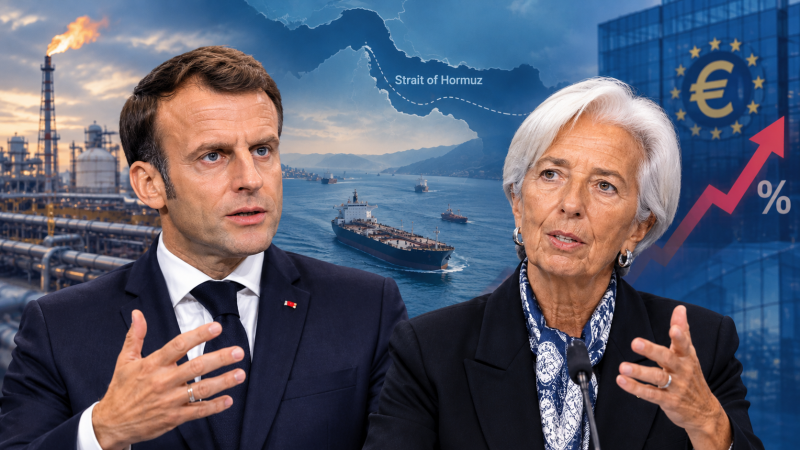
French President Emmanuel Macron has warned that Europe is facing a renewed energy crisis as disruptions in the Strait of Hormuz add to the continent’s existing energy vulnerabilities.
Speaking at an economic forum in Madrid, Macron said Europe had moved away from inexpensive Russian gas and was now facing fresh risks from the disruption in the key shipping route. His comments came as European Central Bank President Christine Lagarde identified the conflict in the Middle East and its impact on energy supplies as the main threat to the eurozone economy.
Macron said Europe continues to face significant energy dependencies, making it difficult to strengthen its sovereignty, competitiveness and climate goals at the same time. He noted that even France and Spain, despite reducing emissions, still depend on fossil fuels.
He also said the situation demonstrated the need to address Europe’s energy problems, pointing to developments around the Strait of Hormuz. In recent weeks, Macron has urged Brussels to take emergency measures to increase diesel and jet fuel supplies and said France would seek a G7 meeting focused on energy. He also described reopening the Strait of Hormuz as a priority.
Meanwhile, Lagarde said the energy crisis linked to the Middle East conflict was currently the main threat to the eurozone economy. She said the ECB could not reopen the Strait of Hormuz but had to prevent the supply shock from developing into prolonged inflation.
Lagarde warned that this could require further interest-rate increases, which could put pressure on economic financing and growth. She said Europe’s economic model had relied on affordable Russian energy, strong Chinese export demand and US security guarantees, all of which are now under pressure.
She added that the ECB’s rate increases in June and September were necessary to prevent the energy shock from becoming persistent inflation. Lagarde also acknowledged that policymakers had been wrong in 2021 to assume the earlier energy shock would be temporary.
On September 10, the ECB increased its deposit rate by 25 basis points to 2.5%. The bank said energy prices had risen because of the Middle East conflict and the war in Ukraine, while headline inflation was expected to remain above its target through the first half of 2027.
Lagarde has also cautioned against assuming that higher oil and gas prices will automatically result in aggressive monetary tightening. She said interest rates do not move in lockstep with energy prices and that she was prepared to adjust policy when circumstances required it.