

- City govt essential for planned development of Chattogram: CCC administrator |
- Asian Stocks Slump After US Tech Rout Amid AI Jitters |
- Free Concert Featuring James and Seven Bands Set for Manik Mia Avenue |
- Garment factories reopen as workers return to work in Savar-Ashulia |
- Trump confirms new US strikes on Iran’s Qeshm island |
13th Parliament’s fourth session may run for 10 days
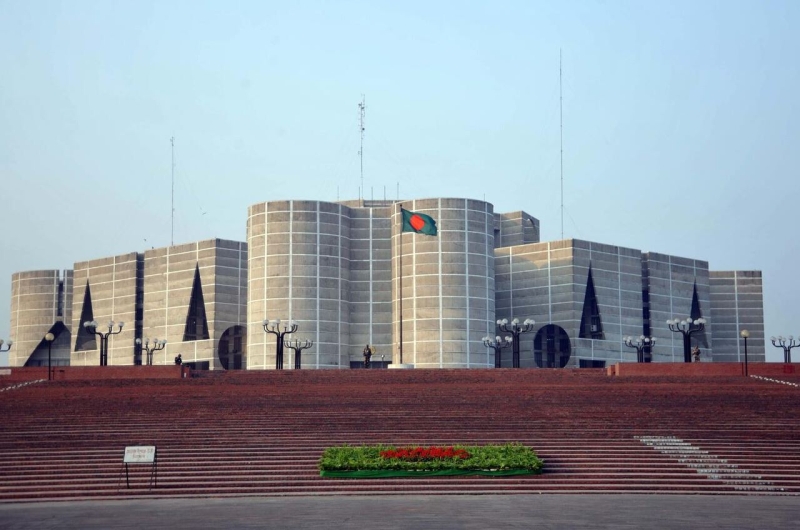
Image- Collecter
The fourth session of the 13th Jatiya Sangsad, scheduled to begin on November 9, is expected to run for about 10 days, Chief Whip Nurul Islam Moni said on Monday.
He said the final duration had yet to be decided. The Parliamentary Business Advisory Committee will meet on November 8 at 4:00 PM to determine the schedule. The session could continue until November 20, he added.
Around five to six bills are expected to be placed before parliament during the session. Discussions may also cover issues raised by opposition members.
Moni said no constitutional amendment bill was expected during this session, as the proposed legislation would deal with other matters.
He explained that the session was being convened to meet the constitutional requirement for parliament to sit at least once every 60 days.
Regarding a possible constitutional amendment bill, the chief whip said the government was working to prepare a set of recommendations by December. It hopes to present them during the January session, provided the opposition cooperates.
The session will begin at 3:30 PM on November 9 at the Parliament Chamber in the National Parliament Building. President Mirza Fakhrul Islam Alamgir summoned it under Article 72(1) of the Constitution.
A notification confirming the session was signed by Parliament Secretariat Secretary Barrister Md Golam Sarwar Bhuiyan.
Three sessions of the 13th Jatiya Sangsad have been held since the national election on February 12.
The first session ran from March 12 to April 30, spanning 25 working days during which 94 bills were passed.
The second session took place from June 7 to July 15 over 26 working days. Parliament passed 10 government bills during that period. Budget discussions continued for 48 hours and 51 minutes across 14 working days, with 316 MPs taking part.
The third session was held from August 27 to September 10. Six bills were passed during its nine working days, including legislation on the National Human Rights Commission, enforced disappearance prevention and redress, property transfer, bank resolution and the Special Response Battalion.
Parliament also formed or reconstituted 35 standing committees and one special committee during the third session.