

- City govt essential for planned development of Chattogram: CCC administrator |
- Asian Stocks Slump After US Tech Rout Amid AI Jitters |
- Free Concert Featuring James and Seven Bands Set for Manik Mia Avenue |
- Garment factories reopen as workers return to work in Savar-Ashulia |
- Trump confirms new US strikes on Iran’s Qeshm island |
Making sugar-free sweet at home
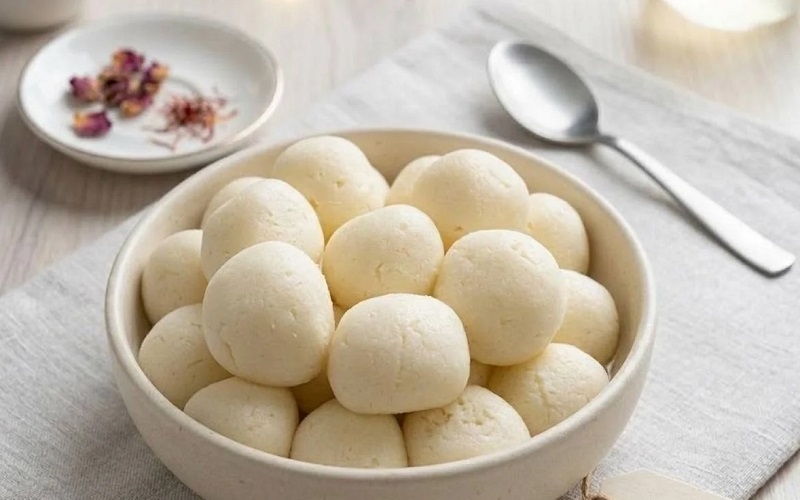
Photo: collected
Festivals are celebrated throughout the year, and for Bengalis, celebrations often mean sweets. Rasgulla (sweet) remains a favourite, but people with diabetes or high blood sugar may need to limit their sugar intake. Making rasgulla at home with a suitable sugar substitute offers an alternative.
Ingredients
1 cup fresh chhana (cottage cheese)
1 tsp stevia or a suitable sugar substitute
1 tsp all-purpose flour (maida)
1/2 tsp semolina (suji)
A pinch of cardamom powder
1 pinch of baking powder
3 cups of water
Method
1. Drain the chhana
Drain the chhana thoroughly to remove excess water. Too much moisture can make it difficult to shape the rasgullas.
2. Knead until smooth
Place the chhana in a bowl and knead it with the palm of your hand until smooth and soft. This helps produce a softer texture.
3. Mix the ingredients
Add the flour, semolina, cardamom powder and baking powder. Mix well until the ingredients are evenly combined.
4. Shape the balls
Divide the mixture into small, equal-sized balls. Roll them until smooth, ensuring there are no cracks on the surface.
5. Cook in boiling water
Bring 3 cups of water to a boil in a pot. Carefully add the chhana balls, cover with a lid and cook over medium heat for about 30 to 35 minutes, until they expand and are cooked through.
6. Prepare the sweet syrup
In a separate pot, mix water with a suitable sugar substitute to make a lightly sweetened syrup. If using stevia, follow the package instructions for the correct quantity.
7. Soak the rasgullas
Transfer the cooked rasgullas to the prepared syrup and leave them to soak for a few hours so they absorb the sweetness.
Tips for better results
Drain the chhana well before kneading.
Knead until the mixture is smooth to help prevent cracks.
Maintain a steady, medium heat while cooking.
Follow the manufacturer's instructions when using sugar substitutes.
Although these rasgullas contain no added sugar, they are not carbohydrate-free. Chhana, flour and semolina also contain carbohydrates, which can affect blood glucose levels.
People with diabetes should pay attention to portion sizes and consider their overall carbohydrate intake. A doctor or registered dietitian can offer advice on including such desserts in an appropriate meal plan.