

- City govt essential for planned development of Chattogram: CCC administrator |
- Asian Stocks Slump After US Tech Rout Amid AI Jitters |
- Free Concert Featuring James and Seven Bands Set for Manik Mia Avenue |
- Garment factories reopen as workers return to work in Savar-Ashulia |
- Trump confirms new US strikes on Iran’s Qeshm island |
Top 103 drug traffickers control trade across Old Dhaka
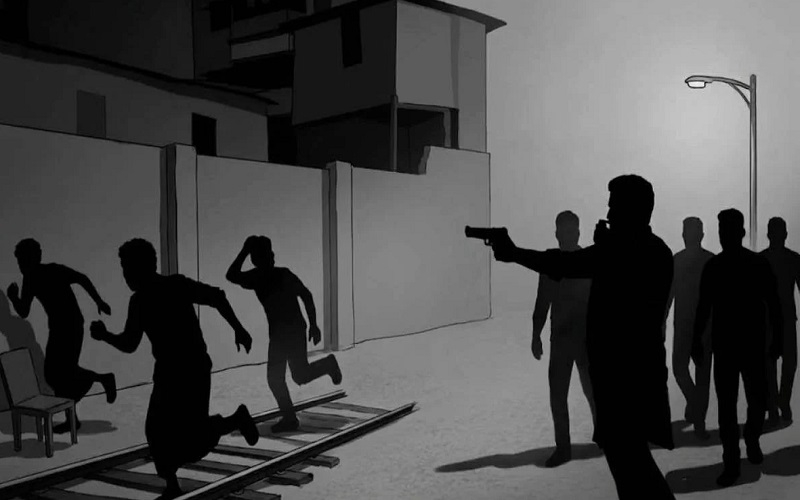
Photo: collected
A network of 103 major drug traffickers controls the narcotics trade across Old Dhaka, with Yaba, heroin and Phensedyl sold in its lanes and bylanes, according to a special report by the Criminal Investigation Department (CID).
The report identified the suspected traffickers, against whom investigations are ongoing. More than 1,000 retail drug sellers in the area are reportedly operating under their control, according to police and Department of Narcotics Control (DNC) sources.
On Monday afternoon, the DNC conducted an anti-drug operation in the Ghuntighar railway line area of Gendaria, where several people were consuming drugs and suspected traffickers were active.
Officials said the drug trade had persisted for years across Old Dhaka, including Gendaria, Lalbagh, Kotwali, Bangshal, Kamrangirchar, Sutrapur, Chawkbazar, Kadamtali, Shyampur and Wari. Traffickers reportedly bring Yaba, heroin, Phensedyl and other narcotics from border areas and distribute them across the city.
The spread of drugs has raised concerns about addiction among people from different backgrounds, including school, college and university students. Residents and officials have also linked the trade to mugging, theft, robbery and violence against women.
The issue drew renewed attention after an anti-drug operation on October 17 in a slum beside the railway line in Ward 45 under Gendaria Police Station. Ishraque Hossain, state minister for Liberation War Affairs and MP for Dhaka-6, faced criticism after joining the operation while carrying a firearm. He announced his resignation as state minister at a press conference on Monday.
During a separate DNC operation in Ghuntighar on Monday, officials found a man named Ashraf Uddin consuming drugs on the other side of a wall while the drive was under way.
DNC Dhaka South Sub-Inspector Ashab Uddin, who led the operation, said Ashraf was arrested at about 3 p.m. Officials recovered Yaba, cannabis and drug-use paraphernalia, he said. Fifteen people, including Ashraf, were arrested in the operation and later given sentences of varying terms.
Members of SRB-3 and the DNC began an undercover operation in Ghuntighar, west of the Dayaganj railway crossing, after observing open drug sales and consumption in the area. People tried to flee when the drive began.
Md. Anwar Hossain, deputy director of DNC Dhaka South, said all those arrested were people who used drugs in public places.
Home Minister Salahuddin Ahmed recently said 8.2 million people in Bangladesh were addicted to drugs and about 80,000 drug-related cases were awaiting trial.
Drug trade spreads through Old Dhaka
Interviews with residents over two days indicated that drug sales had increased in several parts of Old Dhaka. Residents reported seeing drugs sold in lanes and bylanes both during the day and at night, particularly in Ganaktuli, City Colony, Gendaria, Dayaganj Crossing, Sutrapur, Kadamtali and Baghabari.
Md. Solaiman, a resident of Chawkbazar, said drug users had made him afraid to go out at night.
"Because of drug addicts, I feel scared even to go out at night. They consume drugs and commit muggings. Several muggings have occurred in the area over the past few days," he said.
Jalal Uddin, a Gendaria resident, said drug-related activity had increased alarmingly.
"As soon as evening falls, the lanes of the area go under the control of drug traffickers. They do not care about the law enforcement agencies," he said, adding that mugging and violence against women were also increasing.
The Dhaka Metropolitan Police (DMP) and the DNC regularly conduct raids in eight crime zones of the capital, but drug sales continue, residents and officials said.
CID list names suspected traffickers
The CID list identifies suspected drug traffickers in several police station areas across Old Dhaka and neighbouring parts of the capital.
In Kamrangirchar, the list includes Md. Monir Hossain of the Al Hera Community Center area in Munsurbag, Hashi and Khurshida Begum alias Khushi of the Nayagaon Muri Factory area, Md. Arman of Muslimbag, Md. Ramzan of Bagram Bashtola and Md. Yakub Ali of Kumarghat, among others.
In Kotwali, the list names Kumar Nag, Saiful Islam alias Sagar, Paruli Rani, Monir Hossain alias Joni, Shambhunath Sur, Md. Mainuddin, Akram, Azim, Jiban, Sajan Prasad and Jitu Chandra Das.
The Chawkbazar list includes Liton, Chamaru Ratan, Arman Hossain, Tara Miyah and Shahin. In Lalbagh, the names include Rezaul, Shaon, Mamun Miyah, Swapan, Tuhin, Rozina Akhtar, Tiger Babul alias Jakki Babu, Sohel Rana, Shakil, Sabbir, Mizan, Jewel, Pisas Arif, Haidar Hossain, Rozina Begum, Khalil, Mohin, Yasin and Sojol.
In Bangshal, the list names Hira Miyah, Tekka Sumon, Beri Roki, Kawsar Uddin Manik, Monir Hossain alias Korban, Bilash Hossain Shaon, Murgi Asif, Bappi, Sagar Bepari and Parvez.
The Demra list includes Picchi Hridoy, Petu Sohel, Kandi Sohel, Sojib, Emdadul Haq, Kamal Hossain, Liton, Rabiul Islam Bhuiyan, Shishir Khan, Rafiqul Islam Sumon, Tutul Alam Bhuiyan, Yakub Ali, Zakir Hossain and Sohel Sayeed.
In Shyampur, the names include Dinar Kajol, Masum Miyah, Tarek Dastagir, Kasai Sohel, Mitu, Munna, Hasu Game, Saddam Hossain, Shahid, Asiquzzaman Shaon, Wasim, Hasan Ali Lokman, Shahjahan Miyah, Habibur Rahman Habu, Fenci Arif, Abul Hashem, Tapan Miyah, Shamim Hossain, Ishan and Pappu alias Apu.
The Wari list includes Laboni Akhtar, Mezba Ahmed Jiku, Nasiruddin Roni, Miraj, Al Amin alias Manik, Ripon Miyah, Shahidul Islam Mukti, Karim and Moni Akhtar. In Gendaria, the names include Rohima, Monirul Haq Robin, Picchi Rana, Sojib, Bikash alias Prokash alias Golam Mostafa, Amir Hossain, Imran and Lengra Milon.
The Kadamtali list names Julhas, Jahangir Alam Titu, Bapparaj, Abul Hossain Kalu, Sekandar Ali, Imon Hossain Piyas, Saidur Rahman Sojib, Korban, Iqbal, Arman alias Jitu, Swapan and Kana Jabbar.
In Mugda, the names include Anwar Hossain Milat, Monjur Hossain Niju, Shahidul Islam Rintu, Rakibuzzaman Robin, Kajol, Monir Hossain, Kerkera Masud, Lota Akhtar, Sohel and Kerkera Ripon. The Sabujbagh list includes Champa, Moyna, Shamim, Tania, Milon, Diba Akhtar, Tasty Babu, Ashikur Rahman Shanto and Khorshed.
The CID also identified suspected traffickers from Mohammadpur who allegedly exert influence over drug sales in different parts of Old Dhaka. They include Buniya Sohel, Gala Kata Monu, Anwar Hossain Kalu, Picchi Raja, Javed alias Tipu, Chua Selim and Jane Alam alias Chor Janu from Geneva Camp; Chapai Arif from Rayerbazar; and Sarfu Arman and Taj from Krishi Market Camp.
Nationwide anti-drug drive
Police headquarters data show that a special anti-drug drive began on May 1 this year. Authorities have since seized 5,205,334 Yaba tablets, 5,689.87 grams of heroin and other narcotics, while arresting more than 5,000 suspected traffickers.
Dhaka Metropolitan Police Commissioner Mosleh Uddin Ahmed said efforts were under way to arrest major drug traffickers. Police regularly conduct drug seizures in different police station areas, he said, adding that drug networks were behind many crimes.
DNC and CID sources said major traffickers operated powerful syndicates from behind the scenes. They alleged that many used political and social influence to evade law enforcement and accumulated substantial wealth through the sale of Yaba, heroin, Phensedyl and other drugs.
Research data from the Association for the Prevention of Drug Abuse (MANAS) estimate that drug traffickers run a business worth 60,000 crore taka annually in Bangladesh. The country's 7 million drug users spend about 50,000 crore taka a year on drugs, while another 10,000 crore taka goes towards rehabilitation centres, NGOs and government initiatives, according to the data.
Professor Dr. Arup Ratan Choudhury, founding president of MANAS, said the number of drug users was rising.
"Drug godfathers are responsible for this. They must be brought under the law quickly," he said.