

- City govt essential for planned development of Chattogram: CCC administrator |
- Asian Stocks Slump After US Tech Rout Amid AI Jitters |
- Free Concert Featuring James and Seven Bands Set for Manik Mia Avenue |
- Garment factories reopen as workers return to work in Savar-Ashulia |
- Trump confirms new US strikes on Iran’s Qeshm island |
Eight possible symptoms of stomach cancer
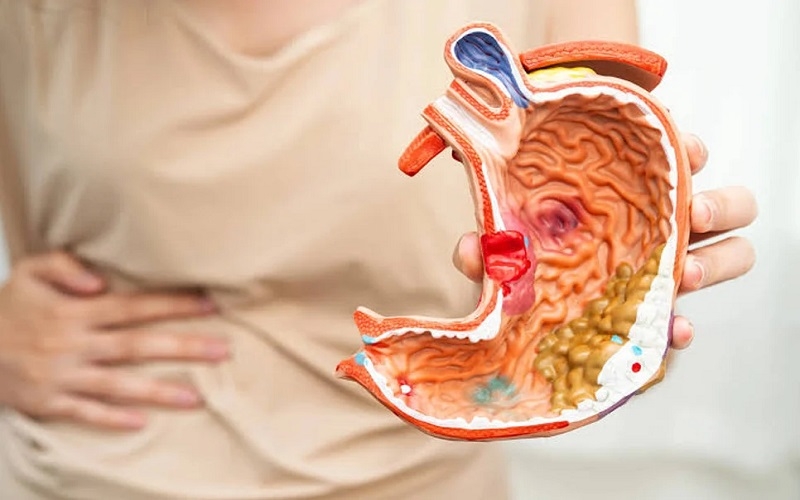
Photo :Collected
Stomach cancer, also called gastric cancer, is a growth of cells that starts in the stomach. It is a type of gastrointestinal cancer. The stomach is in the upper middle part of the belly, just below the ribs. The stomach helps to break down and digest food.
If you've been diagnosed with stomach cancer, there are several factors that affect treatment options. These include where the cancer started, how far it has grown or spread, and the type of cell involved.
Eight possible warning signs
The symptoms that may warrant medical attention include:
Persistent indigestion: Repeated or ongoing indigestion that does not improve.
Persistent heartburn: Heartburn that continues despite usual medication.
Mild nausea: Ongoing feelings of nausea without an obvious cause.
Reduced appetite: Losing interest in food or eating less than usual.
Feeling full quickly: Becoming full after eating only a small amount.
Bloating after meals: Frequent abdominal bloating following food intake.
Upper abdominal discomfort: Persistent or unexplained discomfort in the upper part of the abdomen.
Unexplained weight loss: Losing weight without changes in diet or physical activity.
These symptoms are not specific to stomach cancer and may occur with several other conditions.
Symptoms may become more severe
As the disease progresses, additional symptoms may develop, including persistent abdominal pain, vomiting, unusual fatigue caused by anaemia and difficulty swallowing.
Vomiting blood may also occur. In more advanced cases, fluid can accumulate in the abdomen, while the skin and whites of the eyes may turn yellow, particularly if the disease affects other parts of the body.
When should you consult a doctor?
Most of these symptoms can have causes unrelated to cancer. However, medical advice is important if they persist for several weeks, worsen or interfere with daily life.
Unexplained weight loss, repeatedly feeling full after small meals, difficulty swallowing or persistent abdominal discomfort should not be ignored.
Paying attention to ongoing changes in digestion, appetite, weight and energy levels can help people seek medical assessment when needed.
Medical note: These symptoms do not confirm stomach cancer. Only an appropriate medical evaluation can determine their cause. Anyone vomiting blood or experiencing other severe symptoms should seek urgent medical care.