

- City govt essential for planned development of Chattogram: CCC administrator |
- Asian Stocks Slump After US Tech Rout Amid AI Jitters |
- Free Concert Featuring James and Seven Bands Set for Manik Mia Avenue |
- Garment factories reopen as workers return to work in Savar-Ashulia |
- Trump confirms new US strikes on Iran’s Qeshm island |
Bangladesh seeks guaranteed dry-season water share in revised Ganges treaty
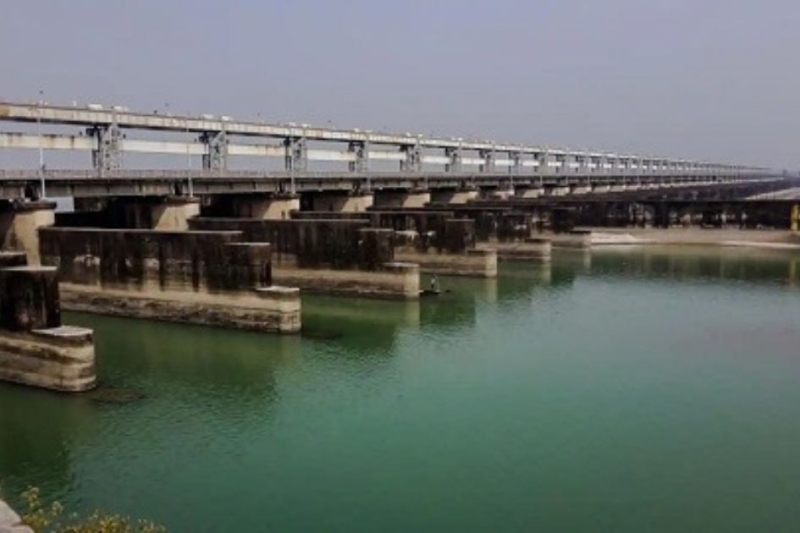
Image- Collected
Bangladesh is prioritising a new or revised Ganges water-sharing treaty with India that guarantees its fair share of dry-season flows, as the existing agreement approaches expiry on December 12, 2026.
Water Resources Minister Shahiduddin Chowdhury Anee said Dhaka wants to restore the guarantee clause included in the 1977 agreement, which protected Bangladesh’s share when river flows at Farakka fell below specified levels.
State Minister for Foreign Affairs Humaiun Kobir said Bangladesh’s negotiating committee was ready and awaiting a response from India. He stressed that any agreement must safeguard the country’s national interests and security, while noting that international law would guide discussions.
India has said Ganges water-sharing issues will be discussed through the Joint Rivers Commission (JRC), with technical-level talks already underway.
Anee called for stronger water diplomacy based on cooperation, scientific research, transparent data sharing and long-term planning. Bangladesh shares 54 transboundary rivers with India, but the Ganges is the only one covered by a bilateral water-sharing treaty.
The Teesta also remains a major concern, particularly for northern Bangladesh, where dry-season shortages and monsoon erosion and flooding affect communities. The government is pursuing feasibility studies and technical assistance for a Teesta project.
Experts have urged a revised treaty supported by stronger JRC mechanisms and transparent data-sharing arrangements. They say a durable agreement should address both countries’ needs and build public trust over the long term.