

- Oil Shock Sends Asian Markets Lower as Middle East Conflict Threatens Global Shipping |
- Trump Links Iran War to US Midterms, Backs United Ireland |
- PM Tarique Rahman Seeks Public Cooperation to Tackle Nationwide Dengue Outbreak |
- Jatiyatabadi Mahila Dal Vows to Lead Fight Against Rape, Violence Against Women and Children |
- 'Honorable' Dropped: PM Starts Implementing Decision from His Own Office |
Dhaka can no longer do without a dynamic drainage system
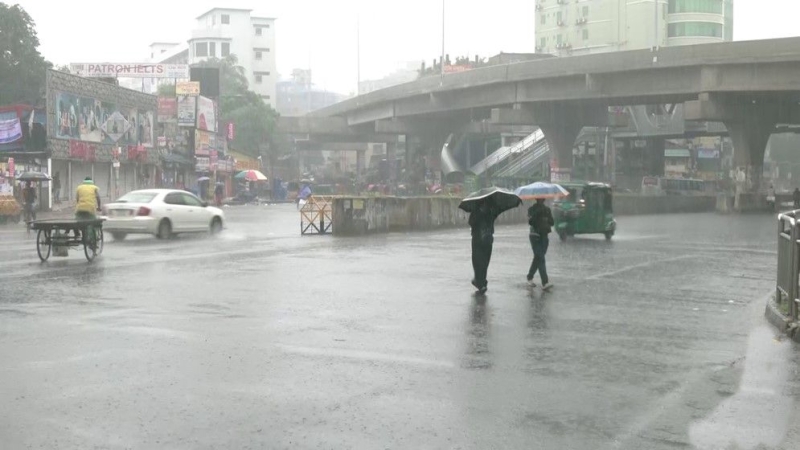
The two city corporations in Dhaka spent more than Tk 262 crore between 2021 and 2024 to construct 334.19 km of drains and box culverts in order to reduce waterlogging. Why, then, does the capital still get waterlogged during moderate to heavy rainfall? On July 12, more than 100 mm of rainfall inundated large parts of Dhaka, including many areas not known to be waterlogging hotspots. The rain was undoubtedly heavier than usual, but as many have pointed out, we see the same pattern emerge every year: it rains heavily during monsoon, Dhaka becomes paralysed while its residents struggle with flooding even inside their homes, and improper waste disposal is cited as the major cause behind such waterlogging. Digging a bit deeper, however, reveals systematic shortcomings such as the lack of a comprehensive waste management and drainage system in the capital of the country.